
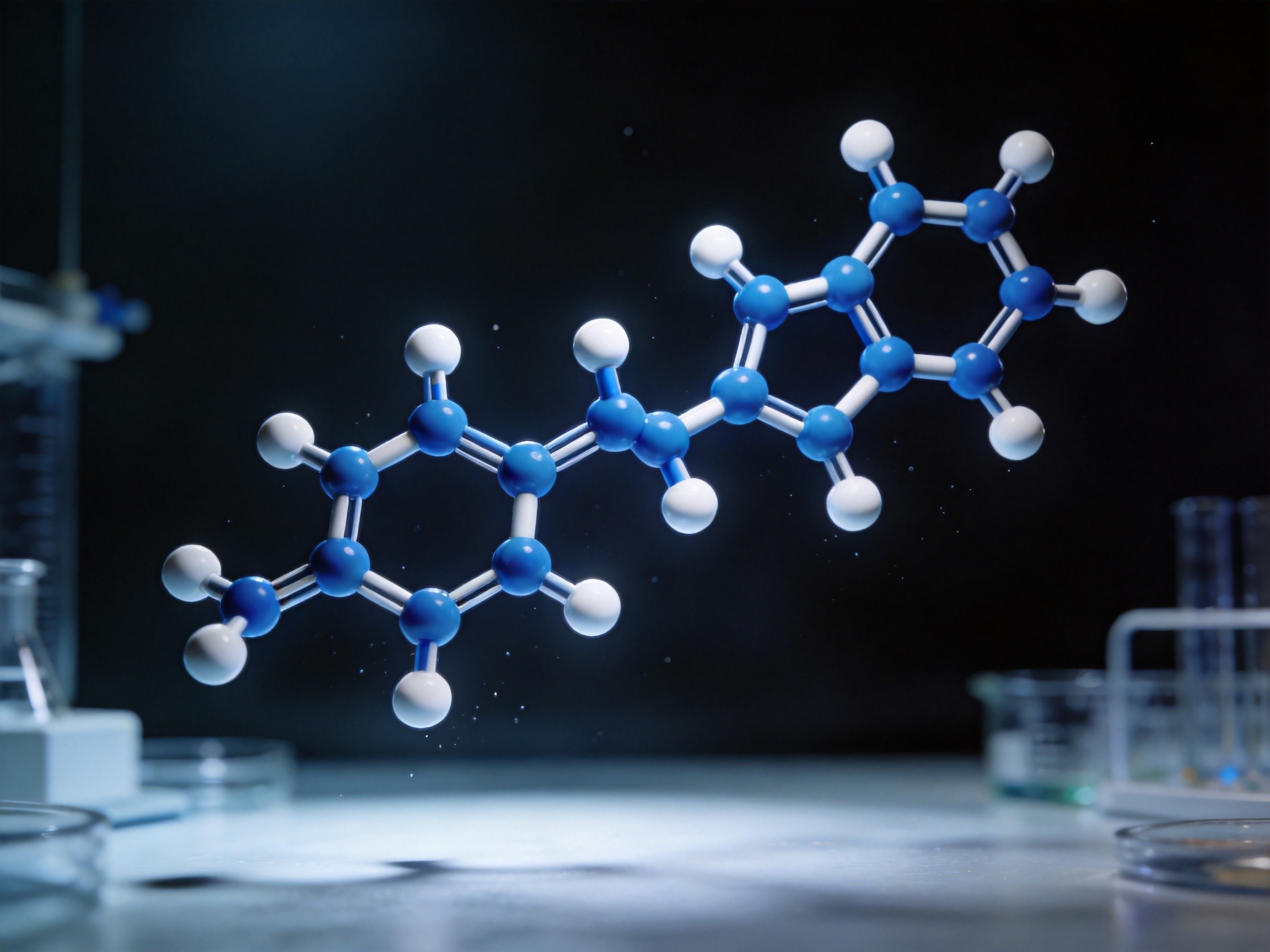
Recombinant Mussel Adhesive Protein (rMAP) is a novel bioactive raw material prepared through genetic engineering recombination technology from the natural adhesive protein found in marine mussel byssal threads. Compared with traditional animal-derived extraction methods, recombinant technology avoids allergen risks and religious taboos, offering broad application prospects in the field of medical aesthetic repair dressings.
Biological Characteristics of Mussel Adhesive Protein
Source and Structure
Mussel Adhesive Protein (MAP) is an adhesive substance secreted by mussel byssal threads, capable of firmly adhering to various material surfaces underwater. Scientists have found that mussel adhesive protein is rich in 3,4-dihydroxyphenylalanine (DOPA) residues, which are the key structure responsible for its strong adhesion.
Natural mussel adhesive protein is primarily extracted from the blue mussel (Mytilus edulis), but animal-derived extraction has issues such as low yield, high cost, and unstable safety. Recombinant Mussel Adhesive Protein technology employs genetic engineering to efficiently express the target protein in microbial systems, achieving stable and controllable quality.
Core Efficacy Mechanisms
1. Bioadhesion
Recombinant Mussel Adhesive Protein can form a physical adhesive film on the skin surface. This film not only blocks external irritation but also continuously releases active ingredients for long-lasting repair.
2. Anti-inflammatory and Soothing
Studies have shown that mussel adhesive protein can inhibit the release of inflammatory factors (such as TNF-α and IL-6), reducing skin inflammatory responses. This property holds significant application value in the care of sensitive skin.
3. Wound Healing Promotion
Mussel adhesive protein can promote fibroblast proliferation and migration, accelerating the wound healing process. Additionally, its adhesive film creates a moist healing environment for wounds, consistent with modern wound care concepts.
4. Antioxidant Protection
DOPA residues endow mussel adhesive protein with a certain antioxidant capacity, enabling it to scavenge free radicals and reduce oxidative stress damage to the skin.
Applications of Recombinant Mussel Adhesive Protein in Medical Aesthetics
Applicable Scenarios
- Post-photoelectric treatment care: Skin barrier repair after medical aesthetic procedures such as laser, intense pulsed light, and radiofrequency
- Post-minimally invasive procedures: Wound protection after invasive operations such as mesotherapy and microneedling
- Sensitive skin repair: Soothing care for compromised skin barriers
- Daily skincare: Maintenance care for fragile skin barriers
Product Formulation Recommendations
Recombinant Mussel Adhesive Protein can be combined with the following ingredients for enhanced efficacy:
- Sodium Hyaluronate: Synergistic hydration and moisture retention
- Panthenol: Enhanced soothing efficacy
- Ceramide: Strengthened barrier repair
- Ectoin: Improved cellular protection capability
Formulation Considerations
In the formulation development of Class II medical device dressings, the following points should be noted:
- The recommended dosage of Recombinant Mussel Adhesive Protein should be adjusted based on specific product positioning
- Avoid direct mixing with strong oxidizing ingredients (such as high-concentration Vitamin C)
- The formulation pH should be controlled within the range of 5.5-7.0 to maintain protein activity
- Temperature must be controlled during production to prevent protein denaturation from high heat
Compliance and Registration Key Points
Raw Material Compliance
As an emerging biomaterial, the application of Recombinant Mussel Adhesive Protein in medical devices requires the following documentation:
- Raw material quality standards (enterprise standards or industry standards)
- Safety evaluation data (cytotoxicity, sensitization, intracutaneous reaction, etc.)
- Efficacy research data or literature references
Product Registration Pathway
For products containing mussel adhesive protein dressings to be registered as Class II medical devices, registration materials may be prepared in accordance with the requirements under the "14-10 Wound Dressing" category in the Medical Device Classification Catalog.