
In one sentence: Medical recombinant collagen repair liquid is a Class II medical device that uses recombinant collagen—prepared through genetic engineering, with an amino acid sequence identical or highly similar to human collagen—as its core ingredient, combined with glycerin, trehalose, and other components to form a liquid; by forming a protective layer on the wound surface and maintaining a moist healing microenvironment, it is used for the care of non-chronic wounds such as small wounds, abrasions, and cuts, as well as the surrounding skin. This article, based on publicly available regulations, standards, and literature, explains thoroughly "what it is, why it is designed this way, and how to use it compliantly" in one go.
In the past two years, "recombinant collagen" has moved from the laboratory to the front lines of skincare and medical aesthetics, becoming one of the fastest-growing biomaterials. However, concepts on the market are mixed, and it is difficult for ordinary brand owners and consumers to distinguish: What is the difference between collagen and recombinant collagen? Why are some Class III and some Class II? In a bottle of "repair liquid," besides collagen, what roles do the other ingredients play? We break it down one by one.
I. First, Clarify the Concepts: Collagen, Recombinant Collagen, and "Humanized"
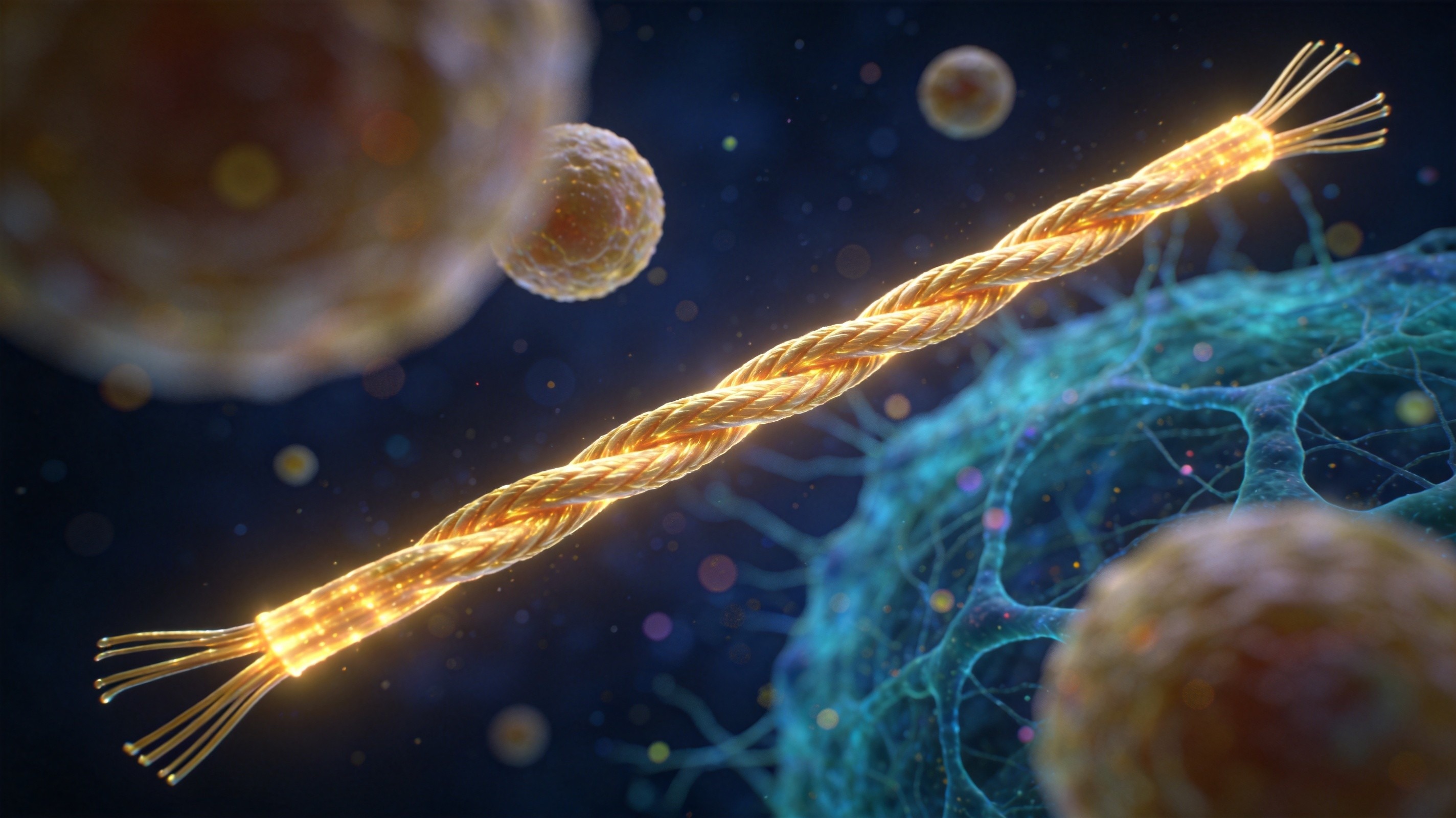
Collagen is the main structural protein of the human extracellular matrix (ECM), accounting for about one-third of the total protein in the human body, and is widely distributed in skin, bones, tendons, blood vessels, etc. Its most classic molecular form is the triple helix structure—three polypeptide chains intertwined into a "three-strand rope," which is then assembled step by step into fibrils and fiber bundles, providing mechanical support for tissues and adhesion sites for cells. Human skin is mainly composed of Type I and Type III: Type III is related to the delicacy and elasticity of the skin, and is present in a higher proportion in infant skin, so it is also called "baby collagen."
Recombinant collagen refers to collagen obtained by introducing the gene encoding the functional region of a specific human collagen type into engineered bacteria or cells for expression, followed by separation and purification. According to the current pharmaceutical industry standard YY/T 1849—2022 "Recombinant Collagen," it can be divided by structure into three categories: recombinant collagen, recombinant humanized collagen, and recombinant collagen-like protein, with the core difference being whether the complete triple helix is retained and the degree of consistency of the amino acid sequence with human collagen. Its key advantages are:
- Sequence homology, low immunogenicity: The amino acid sequence is identical or highly similar to human collagen, and it does not carry animal-derived pathogens, avoiding the allergy and viral risks of traditional animal-extracted collagen;
- Good biocompatibility and bioactivity: It can be designed to retain cell adhesion recognition sites, supporting cell adhesion, migration, and proliferation;
- Stable source, scalable: Produced by fermentation of engineered bacteria, batches and quality are more controllable, without relying on animal tissues.
It should be noted that "humanized" refers to the degree of consistency with human collagen at the amino acid sequence level, and is a technically defined concept with standards, not marketing rhetoric. To judge a product, one should look at its applicable standards, registration/filing information, and third-party testing, rather than promotional words.
II. Why Is It "Class II": A Key Regulatory Dividing Line
Many people are confused: Why are some products containing recombinant collagen managed as Class III medical devices, while others as Class II?
According to the National Medical Products Administration's "Principles for Classification of Recombinant Collagen Medical Products" and the spirit of the 2021 No. 27 announcement, the key to classification lies in whether the product ingredients can be absorbed by the human body, the mode of action, and the degree of risk: if the ingredients can be absorbed by the human body and exert effects inside the body, the risk is higher and they are usually managed as Class III; if the ingredients are not absorbed by the human body and mainly act on the wound surface, they are managed as Class II. The ingredients in the repair liquid described in this article are not absorbed by the human body, so it belongs to Class II medical devices.
This also explains its positioning: it does not "deliver" ingredients into the body, but provides "care and protection" on the wound surface. Understanding this dividing line helps brand owners avoid overstepping in product selection and promotion—Class II devices have a clear scope of application, cannot use the rhetoric of Class III implantable/absorbable products, and cannot be mixed with cosmetic concepts.
III. What Is in a Bottle of Repair Liquid: Understanding the Formula Logic Ingredient by Ingredient
Take an approved and registered product as an example—Registration Certificate Number: 琼械注准20252140091, Registrant: Jinan Gene Regenerative Medical Technology (Hainan) Co., Ltd.; the product was approved for registration by the Hainan Provincial Medical Products Administration in September 2025, valid until September 23, 2030, and the entrusted production address is located at Building 11, Lanyuegu Intelligent Manufacturing Industrial Park, Xieyuan North Road, Ningxiang Economic and Technological Development Zone, Changsha City, Hunan Province. It consists of a liquid and a packaging container. The main components of the liquid are recombinant collagen, glycerin, trehalose, hydroxyacetophenone, 1,2-hexanediol, and purified water. This formula is not a simple pile of ingredients but is designed around "protecting the wound + maintaining a moist environment + mild stabilization," with each ingredient having a clear role:
- Recombinant collagen (core functional ingredient): As a structural and functional protein, it provides cell-recognizable adhesion sites, forms a bioactive protein layer on the wound surface, and participates in regulating the wound microenvironment. Multiple public studies show that recombinant collagen can interact with related receptors on the surface of platelets and fibroblasts, participating in hemostasis and tissue repair processes (mechanism detailed in the next section).
- Glycerin (classic humectant): A hygroscopic moisturizing ingredient that helps lock in moisture, keep the wound and surrounding skin moist, relieve dryness and tightness, and is the "water-retaining" basis for a moist healing environment.
- Trehalose (multifunctional sugar): A non-reducing disaccharide with both moisturizing and stabilizing effects, it helps protect cell membranes and protein structures under stress conditions such as dryness and osmotic pressure changes, and is widely used in medical devices and skincare products.
- Hydroxyacetophenone + 1,2-hexanediol (preservative/stabilizer combination): The two work synergistically to maintain the microbial stability of the liquid, are relatively mild, and are often used in formula systems that do not require strong preservatives. It should be clear: they play a formula preservation and stabilization role, which does not mean the product has "sterilizing, anti-inflammatory" medical effects.
- Purified water (solvent carrier): As a solvent for each ingredient, it forms a refreshing liquid matrix.
Overall, this is a streamlined formula of "active protein + moisturizing matrix + mild stabilization system," with a clear idea and few redundant ingredients, which also facilitates irritation control and quality traceability.

IV. Mechanism of Action: What Happens at the Level of the Protective Layer, Moist Healing, and Cells
1. Physical barrier: first "protect" the wound
After the repair liquid is applied to the wound, the liquid forms a moist protective film on the wound surface, acting as a physical barrier: on the one hand, it reduces direct friction between the wound and external clothing or fingers; on the other hand, it helps reduce excessive water loss. It should be emphasized that the "barrier" here is physical and care-oriented—it is not equivalent to disinfection or antibacterial action, nor does it replace debridement and professional treatment.
2. Moist healing: the consensus direction of modern wound care
Traditional belief holds that wounds should be kept dry and scabbed, but modern wound healing theory (the "moist healing" theory) points out: under a moderately moist, occlusive or semi-occlusive, temperature-appropriate microenvironment, cell migration and epithelialization are smoother, the healing process is often more favorable, and secondary damage caused by dry scabs can be reduced. The water-retaining effects of glycerin and trehalose and the coverage of the liquid film are precisely to maintain such a moist microenvironment. This is also why such products are suitable for superficial wound care after laser, photon, and other medical aesthetic procedures—after such procedures, the skin barrier is temporarily damaged, and the need for "mild moisturizing + physical protection" is clear.
3. Cellular level: the activity basis of recombinant collagen
In terms of scientific mechanism, public research provides support for the repair effects of recombinant collagen:
- Participates in hemostasis: Collagen can adsorb blood cells, promote platelet aggregation, and interact with collagen receptors on the platelet surface (such as GPIa/IIa, GPVI), inducing platelet adhesion and activation, participating in the physiological hemostasis process;
- Supports cell adhesion and migration: Recombinant collagen that retains the triple helix structure and integrin recognition sites can provide adhesion "footholds" for fibroblasts and keratinocytes, facilitating cell migration along the fiber scaffold;
- Regulates cell behavior and matrix synthesis: In vitro studies have observed that recombinant humanized collagen can affect fibroblast proliferation and the expression of extracellular matrix such as Type I/III collagen, and related signaling pathways (such as TGF-β/Smad) are current research hotspots.
It should be objectively stated: the above are mostly mechanistic evidence at the level of in vitro experiments, animal experiments, or clinical research, reflecting the general biological characteristics of this type of material; the intended use of a specific product is still subject to the scope of application stated in its registration certificate, and basic research conclusions cannot be used to amplify the efficacy claims of a single product.
V. Scope of Application and Boundaries of Use: What It Can and Cannot Do
The scope of application of this product is: by forming a protective layer on the wound surface, it acts as a physical barrier; it is used for the care of non-chronic wounds such as small wounds, abrasions, and cuts, as well as the surrounding skin. In actual use and promotion, the following boundaries should be observed:
- Limited to the care of "non-chronic wounds": such as small abrasions and small cuts in daily life and other superficial wounds; chronic ulcers, deep burns and scalds, infected wounds, or wounds with heavy bleeding are not within the scope of self-care and should be treated promptly;
- "Care" is not "treatment": The product is positioned to provide physical protection and a moist environment, and cannot claim anti-inflammatory, sterilizing, hemostatic, or curative effects, nor can it replace drugs or clinical treatment;
- Provided non-sterile, use requires care: This product is provided non-sterile. For deeper wounds or wounds with high cleanliness requirements, standardized cleaning should be performed first, and professional guidance should be followed when necessary; do not use if the packaging is damaged or the liquid appears abnormal;
- Follow medical advice after medical aesthetic procedures: Use after laser, photon, fruit acid peeling, etc., should be under the guidance of the operating institution or doctor, and timely follow-up is required if persistent redness, swelling, exudation, or fever occurs;
- Try first if prone to allergies: Although recombinant collagen has low immunogenicity, individual differences still exist. For first use, a small trial can be performed behind the ear or on the inner forearm.
VI. Specifications and Forms: Why Coverage from 0.5 mL to 500 mL
This product offers multiple specifications from 0.5 mL to 500 mL. Such a wide specification range is to match vastly different usage scenarios:
- Small specifications (e.g., less than 1 mL to tens of mL): suitable for single-use/small-course care after medical aesthetic procedures in institutions, single-dose and portable packs, beauty salon line project support, and samples;
- Medium specifications (e.g., hundreds of mL): suitable for daily home care, and regular stock in chain clinics and dermatology offices;
- Large specifications (e.g., several hundred mL): suitable for centralized use by institutions, bulk consumption in salon line projects, etc.
Containers and packaging correspond to Types I–V and can take five forms: glass bottles, plastic bottles, aluminum bottles, plastic tubes, and glass tubes. For brand owners, the optional space for specifications and containers is precisely the basis for differentiated positioning and dual-line layout in salon lines and e-commerce.
VII. Market and Industry: Why Recombinant Collagen Is Hot
From an industry perspective, recombinant collagen is a high-growth track with strong certainty in recent years. According to Frost & Sullivan data (cited by research reports such as those from Hualong Securities): the market size of China's collagen raw material segment grew from about 1.63 billion yuan in 2020 to about 3.14 billion yuan in 2023, with a compound annual growth rate of about 24.4%, and is expected to reach about 16.39 billion yuan by 2030; among them, the raw material segment of recombinant Type III collagen in 2023 was about 810 million yuan. During the same period, the market size of end products grew from about 20.47 billion yuan in 2020 to about 58.42 billion yuan in 2023, with a compound annual growth rate of about 41.9%. In addition, China's medical dressing end market has also maintained growth, increasing from about 14.3 billion yuan in 2019 to about 48 billion yuan in 2023.
Another noteworthy trend is standardization. Following YY/T 1849—2022 "Recombinant Collagen," the pharmaceutical industry standard YY/T 1947—2025 "Recombinant Collagen Dressings" has been published, specifying requirements, test methods, pH (4.0–7.5), microbial limits, etc., for recombinant collagen dressings for non-chronic wounds (including gels, liquids, patches, ointments, fibers, and other forms). The improvement of standards means the industry is moving from "concept heat" to "quality competition," and raw material quality, testing capabilities, and compliance levels will increasingly become the watershed for contract manufacturing enterprises.
VIII. How Brand Owners Can Implement: The OEM/ODM Path for Device-Numbered Repair Liquid
For brands, medical aesthetic institutions, and beauty salon lines that want to enter the recombinant collagen track, rather than building a production line from scratch, it is better to use a mature factory with device-number qualifications for OEM processing and labeling or ODM custom development. When implementing, it is recommended to focus on the following points:
- Qualifications and registration certificates: Confirm that the factory has the corresponding medical device production conditions and quality system (such as ISO 13485), that the selected product has a legal Class II medical device registration certificate, and that the registrant and entrusted manufacturer information is clear and verifiable;
- Raw materials and testing capabilities: Whether the recombinant collagen raw material meets the requirements of YY/T 1849, and whether it can provide test reports for protein identification, content, triple helix structure, microorganisms, etc.;
- Dosage form and specification coordination: Whether it can flexibly combine specifications from 0.5 mL to 500 mL, multiple containers, and filling forms, and support overall solutions such as salon line sets and post-procedure care kits;
- Compliant promotion support: Whether the factory can provide product materials consistent with the registration certificate, helping brands strictly limit promotion to the scope of application stated in the certificate and avoid overstepping language;
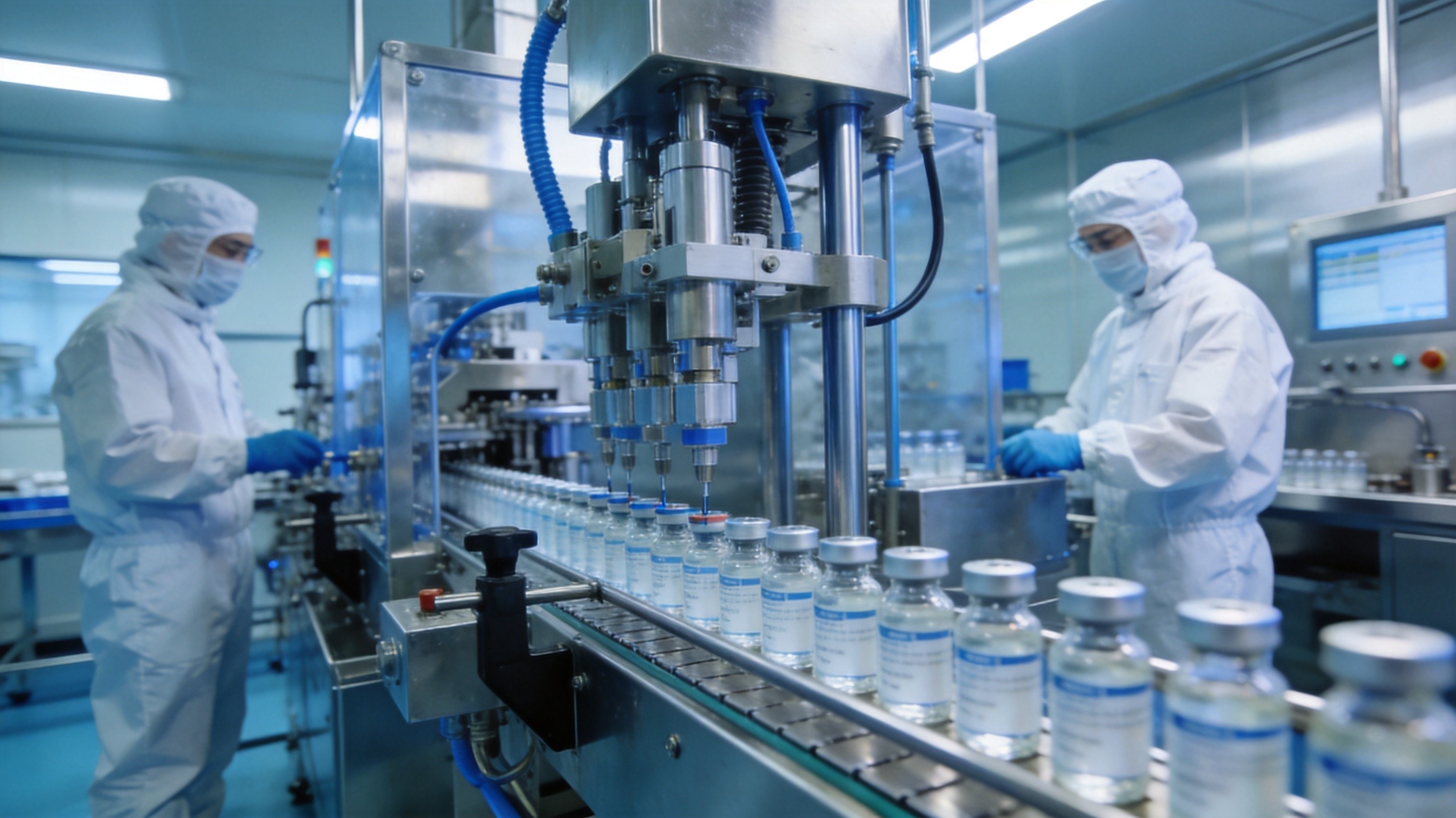
- Capacity and delivery: Cleanrooms, automated production lines, and stable delivery times are hard guarantees when chain brands scale up.
Weitai Group has long focused on R&D and manufacturing in the fields of functional skincare and medical repair, and can provide brand owners with one-stop OEM/ODM services for recombinant collagen medical devices and cosmetics. The group currently has 1000+ cooperative brands, 110+ Class II medical device registrations/filings, 10000+ mature formulas, and 65 automated production lines, with a total production base area of about 150,000 ㎡, equipped with Class 100,000 cleanrooms, and possesses 72 invention patents (including more than 30 international/foreign-related patents), with an average sample turnaround of about 7 days and regular delivery of about 30 days (mass production cycle depends on category and order volume). Specific data are as of September 2026. Brand owners and institutions are welcome to contact us for samples and customized discussions.
Regulations and standards referenced in this article: YY/T 1849—2022 "Recombinant Collagen," YY/T 1947—2025 "Recombinant Collagen Dressings," the National Medical Products Administration's "Principles for Classification of Recombinant Collagen Medical Products" and the 2021 No. 27 announcement, and other public documents; the registration certificate information in the article is quoted from the Hainan Provincial Medical Products Administration's September 2025 announcement on the approval and registration of domestic Class II medical device products; the mechanism section refers to public academic literature; market data are quoted from Frost & Sullivan and cited through public research reports such as those from Hualong Securities, and the statistical scope and time are subject to the original reports. This article is for industry science popularization only and does not constitute medical advice; the specific scope of application and method of use of the product are subject to its medical device registration certificate and instructions. If the wound is deep, bleeding does not stop, infection occurs, or healing is poor, please seek medical attention promptly.
Frequently Asked Questions (FAQ)
Q1: Is medical recombinant collagen repair liquid a drug or a cosmetic?
Neither. It belongs to Class II medical devices, has an independent medical device registration certificate, and its regulatory path and entry threshold are different from cosmetics (cosmetic number) and drugs. It is positioned for the care of non-chronic wounds.
Q2: What is the difference between recombinant collagen and ordinary animal collagen?
Recombinant collagen is prepared through genetic engineering, and its amino acid sequence is identical or highly similar to human collagen. It does not carry animal-derived pathogens, has lower immunogenicity, and is more stable between batches; ordinary animal collagen is extracted from tissues such as cattle and pigs, and has issues of source and potential allergens.
Q3: Does "physical barrier" mean sterilization and anti-inflammation?
No. A physical barrier means the liquid forms a protective film on the wound surface, reducing friction and water loss, which is a care effect; the product does not replace debridement, disinfection, and drug treatment, nor should it claim effects such as sterilization or anti-inflammation.
Q4: Is a non-sterile product safe to use on wounds?
This product is managed as a non-sterile medical device, and its microbial limits must meet the corresponding standard requirements. Before use, the wound should be cleaned in a standardized manner. For deeper or sensitive wounds, professional guidance is recommended; do not use if the packaging is damaged or the liquid is abnormal.
Q5: Can it be used after medical aesthetic procedures (laser, photon, fruit acid peeling)?
Such post-procedure superficial wounds have a need for mild moisturizing and physical protection, but it should be used under the guidance of the operating institution or doctor; if persistent redness, swelling, exudation, or fever occurs, timely follow-up is required.
Q6: For OEM/customization of this type of device-numbered repair liquid, what should be examined in a factory?
Focus on medical device production qualifications and quality systems (such as ISO 13485), legal Class II registration certificates, whether raw materials meet YY/T 1849 and testing capabilities, flexibility of specifications and containers, compliant material support, and stable delivery capability. Confirm by sampling before mass production.
Q7: What is the registration certificate number and manufacturer of this medical recombinant collagen repair liquid?
The product registration certificate number is 琼械注准20252140091, the registrant is Jinan Gene Regenerative Medical Technology (Hainan) Co., Ltd., approved for registration by the Hainan Provincial Medical Products Administration in September 2025, valid until September 23, 2030, and the entrusted production address is Building 11, Lanyuegu Intelligent Manufacturing Industrial Park, Xieyuan North Road, Ningxiang Economic and Technological Development Zone, Changsha City, Hunan Province. Relevant registration information can be verified in the public announcements of the Hainan Provincial Medical Products Administration and the National Medical Products Administration's medical device query channels.