
From Pharmaceuticals to Skincare: The Cross-Industry Journey of Lyophilization Technology
Lyophilization (freeze-drying) is not a new concept. It was first applied in the pharmaceutical industry to preserve heat-sensitive bioactive substances—vaccines, antibodies, and blood products all rely on lyophilization to maintain stability.
When this technology entered the medical aesthetics and skincare fields, it solved a core problem: how to keep highly active ingredients such as recombinant collagen, peptides, and growth factors biologically active until the very last moment of use without adding large amounts of preservatives.
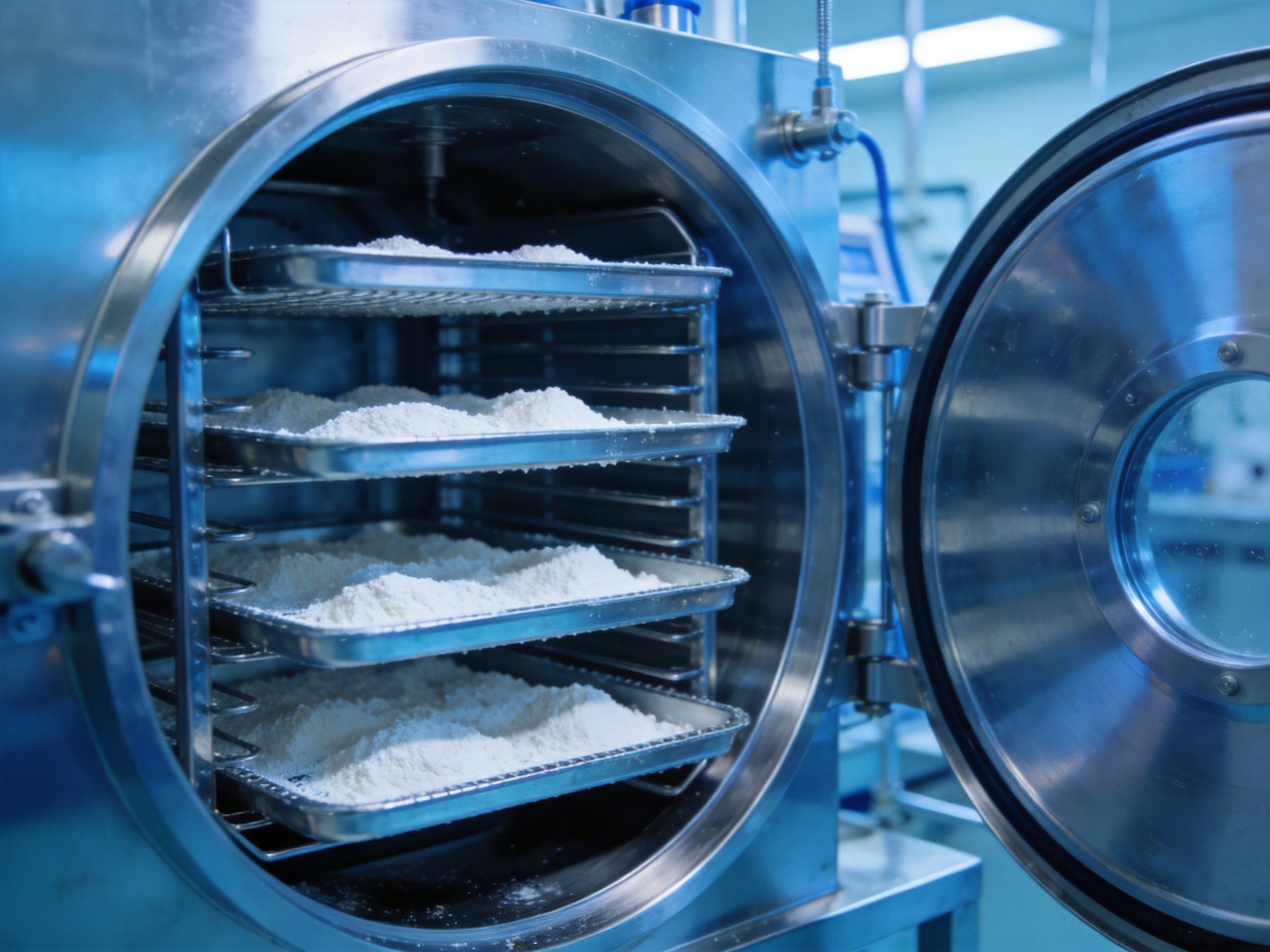
The answer is freeze-dried powder—active ingredients are frozen at low temperature, then in a vacuum environment the ice is directly sublimated into water vapor, ultimately yielding a dry powder state. This process does not involve high temperatures and does not destroy the three-dimensional structure of proteins, so the active ingredients can be preserved to a large extent.
Freeze-Dried Powder vs. Liquid Serum: More Than Just a Difference in Form
Many consumers ask: what is the difference between freeze-dried powder and ordinary serum? The answer is fundamental.
Activity retention rate: Protein-based ingredients such as recombinant collagen degrade over time in aqueous solution. The activity retention rate of room-temperature liquid serums typically drops below 50% after 3-6 months. In contrast, freeze-dried powder in a sealed state can maintain an activity retention rate of over 24 months, releasing full activity only at the moment of reconstitution before use.
Differences in preservative systems: To prevent microbial growth, liquid serums must add preservative systems. Because freeze-dried powder has extremely low water content (usually below 3%), microorganisms cannot grow, allowing preservatives to be greatly reduced or even eliminated. For highly sensitive scenarios such as post-medical aesthetics wound repair, low-preservative or preservative-free formulations are essential.
Stability: Freeze-dried powder has a longer shelf life and lower storage requirements. It does not require cold-chain transportation and can be stored at room temperature. This is a very important advantage for large-scale production and nationwide distribution.
Why the Production Threshold for Freeze-Dried Powder Is High
Freeze-dried powder seems simple—freeze it, vacuum out the water—but in reality the entire process chain involves considerable technical sophistication.
Formulation design
Not all active ingredients are suitable for lyophilization. It is necessary to screen ingredients that will not denature or lose activity during the freeze-drying and reconstitution process, while also designing appropriate lyoprotectants (such as trehalose, mannitol, etc.) to maintain the spatial conformation of proteins. The quality of formulation design directly determines the activity retention rate of the finished product and the user experience after reconstitution.
Freeze-drying curve control
The lyophilization process is divided into three stages: pre-freezing, primary drying (sublimation), and secondary drying (desorption). The temperature, vacuum level, and time of each stage require precise control. Different formulations correspond to different freeze-drying curves—temperature rising or falling too quickly may cause protein denaturation, and inappropriate vacuum levels may lead to uneven lyophilization.
A good freeze-drying curve usually requires repeated experimentation and optimization. Weitai Group has 15 intelligent freeze-drying devices and a Class 100 freeze-drying environment. Every freeze-drying curve has data records and traceability to ensure batch-to-batch consistency.
Clean environment
The production of freeze-dried powder needs to be carried out in a high-cleanliness environment. Weitai's freeze-dried powder production line operates in a Class 100,000 clean workshop, with filling and lyophilization steps completed in a Class 10,000 environment. This means the number of particles per cubic meter of air is strictly limited, and microbial indicators have clear standards.
Scalability challenges
It is not difficult to produce a qualified batch of freeze-dried powder in the laboratory; what is difficult is ensuring batch-to-batch consistency while producing 1 million pairs per day. This places extremely high demands on equipment precision, environmental control, process parameter management, and quality control systems. Weitai has 48 invention patents and more than 50 utility model patents, with annual production of freeze-dried powder exceeding 300 million pairs. This scale ranks among the top tier of domestic OEM manufacturers.
Applications of Freeze-Dried Powder in Medical Aesthetics Scenarios
Post-medical aesthetics repair
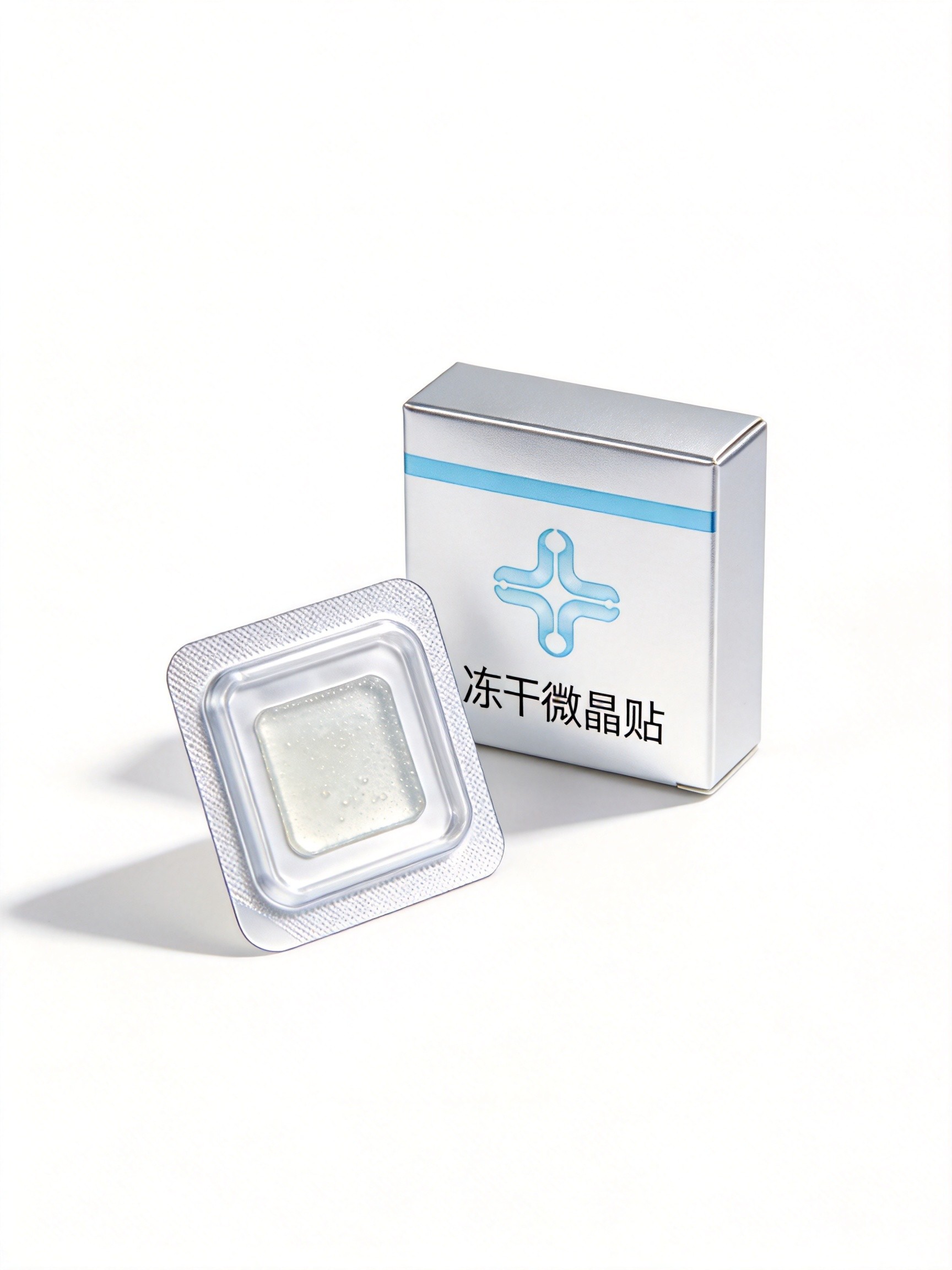
After photoelectric treatments (Thermage, Ultherapy, intense pulsed light, etc.) and injection treatments (hyaluronic acid, botulinum toxin, etc.), the skin barrier is damaged and requires rapid repair. Freeze-dried powder products (such as recombinant collagen repair freeze-dried fibers, sodium hyaluronate freeze-dried masks, etc.) can be used immediately after the procedure, providing a sterile, low-irritation repair environment.
Daily anti-aging management
As consumer demand for "continuous skin management" increases, freeze-dried powder, as a high-activity product for daily skincare, is being recommended by more and more dermatologists and beauty salons. Using freeze-dried powder masks or serums 2-3 times per week, combined with daily moisturizing and sun protection, forms a skincare regimen of "precise repair + daily maintenance."
Chronic wound care
In the care of chronic wounds such as diabetic foot ulcers and pressure injuries, recombinant collagen freeze-dried dressings are an important repair auxiliary material. They can form a protective barrier on the wound while releasing active collagen to promote cell migration and tissue repair.
Future Directions of Lyophilization Technology
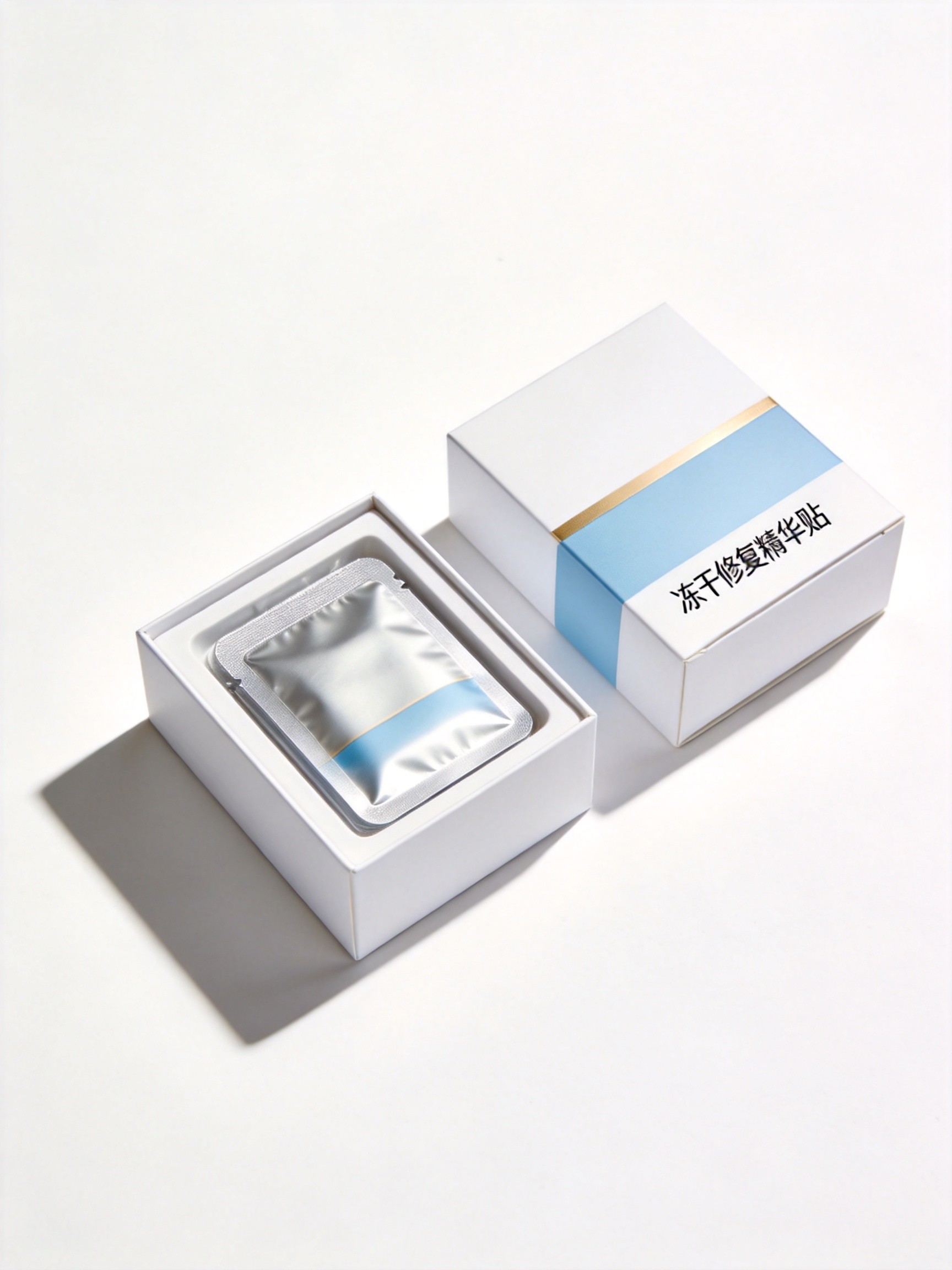
Freeze-dried powder is not the endpoint, but the starting point. Directions the industry is exploring include:
Composite lyophilization: Maintaining multiple active ingredients (such as collagen + hyaluronic acid + peptides) in the same freeze-dried system to achieve multiple effects in a single use.
Freeze-dried microspheres: Forming freeze-dried products into smaller microparticle forms for injectable-grade sustained-release formulations.
Intelligent lyophilization: Using AI and real-time sensing technology to optimize freeze-drying curve control, enabling adaptive process adjustments to further improve batch consistency and production efficiency.
Weitai Group has R&D investment in all three directions, and its own R&D laboratory is advancing the optimization of composite freeze-dried formulations and the intelligent upgrading of lyophilization processes.
Summary
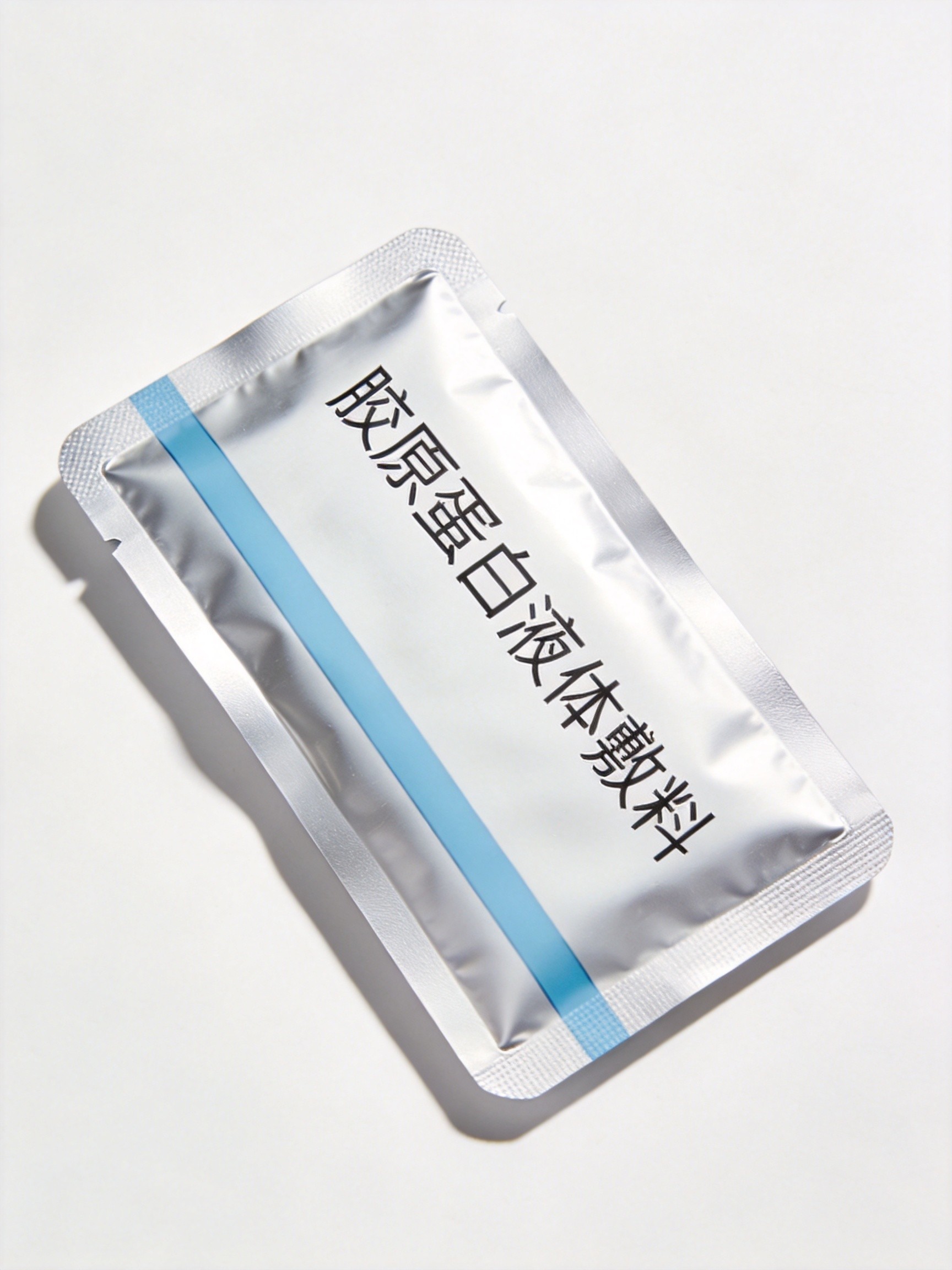
The reason freeze-dried powder is irreplaceable in the field of medical aesthetics repair comes down to three core points: high activity retention rate, low preservative demand, and controllable large-scale supply.
For brand owners, when choosing a freeze-dried powder OEM manufacturer, focus on three indicators: clean environment grade (Class 100,000 or above), number of freeze-drying devices and production capacity (daily capacity determines delivery capability), and batch consistency records (whether the quality control system is complete).
Weitai Group's 15 intelligent freeze-drying devices, daily production of 1 million pairs, annual production capacity of over 300 million pairs, combined with a Class 100 freeze-drying environment and a complete quality traceability system, make it one of the few enterprises in China's freeze-dried powder OEM field capable of simultaneously meeting large-scale delivery and high-quality requirements.
About Weitai Group | OEM/ODM Contract Manufacturing Services
Weitai Group was founded in 2012 and has been engaged in medical aesthetics functional skincare for many years, 25 years, and is a medical aesthetics skincare OEM/ODM contract manufacturer with many years of industry experience. Four major factories (Guangzhou, Hunan, Zhaoqing) with a total area of over 100,000 ㎡, 50+ fully automated production lines, holding 100+ Class II medical device registration certificates, accumulating 12,000+ mature formulas, and 48 invention patents.
Core contract manufacturing capabilities:
- Medical dressings/masks (daily production of 1 million pieces, Class II medical device certificate)
- Freeze-dried powder (daily production of 1 million pairs, developed by own R&D laboratory)
- Essence serums/lotions/creams (full category of cosmetic registration)
- Medical gels/hemostatic materials (Class II medical device certificate)
Quality assurance: U.S. GMPC + EU ISO22716 dual certification, 38 quality inspections, 99.99% yield rate. Has served hundreds of brands (including Chando, etc.).
Cooperation models: OEM processing with supplied materials | ODM private label customization | Shitaqi spot supply
Delivery capability: Regular 7-15 days, expedited 3-day shipment. Official website: www.weitaigd.com