
On August 19, 2026, the National Medical Products Administration issued an announcement making the fifth dynamic adjustment to the "Used Cosmetic Ingredient Directory." Four new cosmetic ingredients—azelamidopropyl dimethyl amine, cetyl diglyceryl tris(trimethylsiloxy)silylethyl dimethicone, β-nicotinamide mononucleotide (NMN), and bakuchiol—have completed their 3-year safety monitoring period. Upon evaluation, they comply with the relevant provisions of the "Cosmetics Supervision and Administration Regulation" and have been officially included in the "Used Cosmetic Ingredient Directory" II.
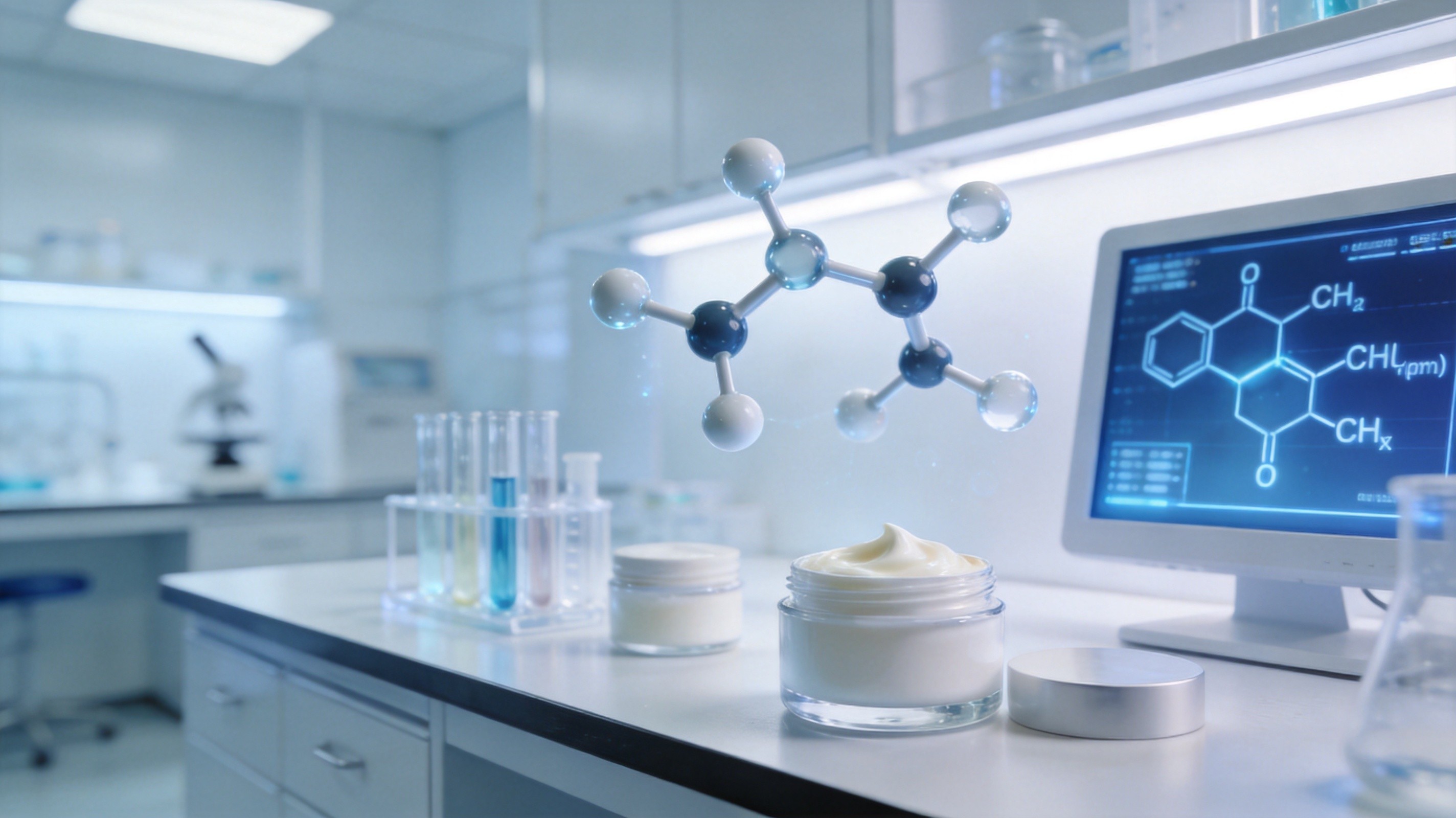
According to the NMPA announcement, after this adjustment, the "Used Cosmetic Ingredient Directory" II contains a total of 10 ingredients. This is the fifth adjustment since the dynamic adjustment mechanism was established in June 2025, and the third completed within 2026.
I. Technical Characteristics and Application Directions of the 4 New Ingredients
β-Nicotinamide Mononucleotide (NMN), directory serial No. 08980, INCI name NICOTINAMIDE MONONUCLEOTIDE, EC No. 214-136-5, common uses are skin protectant, humectant, anti-wrinkle agent, and antioxidant. NMN is a direct precursor of the human coenzyme NAD⁺ (nicotinamide adenine dinucleotide) and participates in cellular energy metabolism and DNA repair processes. In cosmetic applications, NMN has accumulated 14 filing numbers, making it the new cosmetic ingredient with the most filings. Some filing technical requirements specify a maximum allowable concentration of ≤3% in leave-on products. This ingredient is highly hygroscopic and prone to oxidative degradation under light, high temperature, and alkaline conditions, placing high demands on formula stability and production processes.
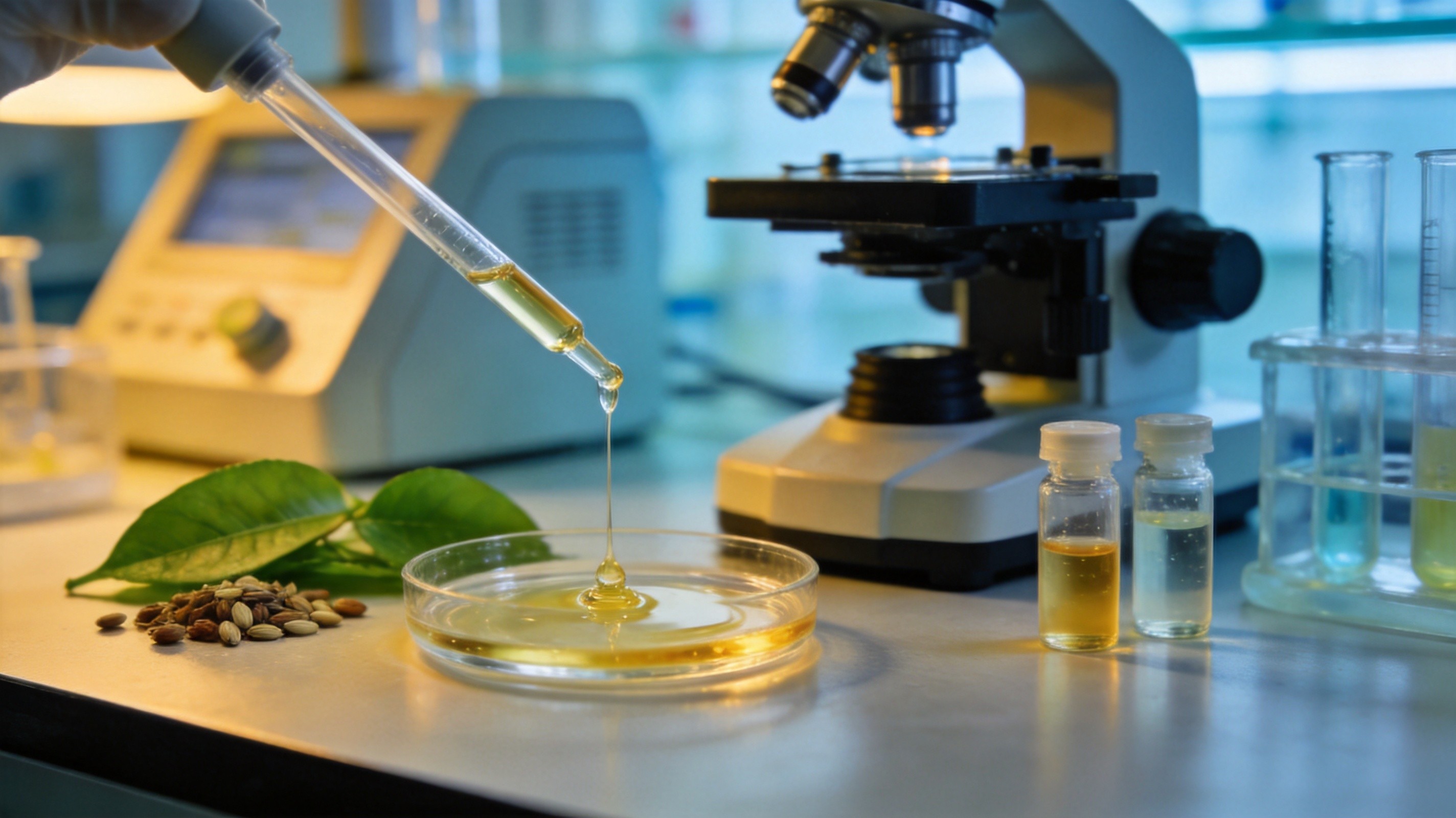
Bakuchiol, directory serial No. 09000, INCI name BAKUCHIOL, CAS No. 10309-37-2, common uses are skin protectant, skin feel modifier, humectant, and antioxidant. Bakuchiol is derived from the seeds of the leguminous plant Psoralea corylifolia and is an isoprenyl phenol terpenoid compound. A double-blind controlled trial published in the British Journal of Dermatology in 2018 showed that after 12 weeks, 0.5% bakuchiol twice daily and 0.5% retinol once daily had comparable effects in improving wrinkles and pigmentation, but the bakuchiol group had significantly fewer adverse reactions such as skin peeling and stinging. Bakuchiol is not photosensitive and can be used both day and night. Some filing technical requirements specify a maximum allowable concentration of 2%, with a recommended usage level of 0.1%–2%.

Azelamidopropyl Dimethyl Amine, directory serial No. 09017, INCI name AZELAMIDOPROPYL DIMETHYL AMINE, filing No. 国妆原备字20230002, common use is skin protectant. This ingredient is an azelaic acid derivative developed by Taiwan New Yu Biotechnology Corum under the trade name Epi-On, which protects the skin barrier through epigenetic regulation. In vitro and human tests show that at 2%–4% concentration, it can promote stratum corneum thickening, accelerate cell migration and growth factor secretion, and has application potential in post-laser skin repair.
Cetyl Diglyceryl Tris(Trimethylsiloxy)Silylethyl Dimethicone, directory serial No. 08979, INCI name CETYL DIGLYCERYL TRIS(TRIMETHYLSILOXY)SILYLETHYL DIMETHICONE, CAS No. 1466529-58-7, common use is emulsifier. This ingredient is Dow Chemical's DOWSIL ES-5600 silicone emulsifier, suitable for PEG-free water-in-oil and silicone-in-water formulations, capable of cold processing, with excellent powder dispersion and a light skin feel, suitable for skincare, color cosmetics, sunscreen, and other products.
II. From "New Ingredient Filing" to "Used Directory": Changes in the Compliance Pathway
According to Article 14 of the "Cosmetics Supervision and Administration Regulation," within 3 years after a registered or filed new cosmetic ingredient is put into use, the registrant or filer shall report its use and safety status annually. If no safety issues occur upon expiration of the 3-year period, it is included in the Used Cosmetic Ingredient Directory. After inclusion in the directory, enterprises using these ingredients to produce ordinary cosmetics need only submit the formula according to the ordinary cosmetics filing process, without separately applying for new ingredient filing.
This change has three direct impacts on brands: first, the product launch cycle is shortened, no longer constrained by new ingredient filing authorization and filing cycles; second, supply chain options are more diverse, allowing direct procurement from OEMs that have established ingredient supply channels; third, formula innovation space is opened up, allowing brands to develop differentiated products based on these ingredients that have completed safety monitoring.
However, it should be noted that ingredient "regularization" does not mean they can be used arbitrarily. The technical requirements determined at the time of filing for each ingredient, such as use purpose, scope of application, and maximum allowable concentration, remain valid. Enterprises should comply with these restrictions when using them in formulas and complete product safety assessments in accordance with the "Technical Guidelines for Cosmetic Safety Assessment."
III. Cosmetics-Medical Device Synergy: Weitai Group's Full-Chain Processing and Private-Label Capabilities
The product window period released by the "regularization" of new ingredients places higher demands on the comprehensive service capabilities of OEMs. Weitai Group has mature OEM/ODM processing and private-label capabilities in both the cosmetics and medical device sectors, and can provide brand customers with full-process services from ingredient selection to product launch.
In the cosmetics sector, Guangdong Weitai Biotechnology Co., Ltd. has more than ten years of cosmetic OEM/ODM contract manufacturing experience, has cooperated with over 800 brands, has completed filing and launch for more than 100 products, has accumulated over 70 technical achievements, and is certified to both ISO22716 and US GMPC. Three cosmetics production bases operate in synergy, with a total area of over 150,000 square meters. 65 production lines cover various dosage forms including creams, lotions, masks, and freeze-dried powders. 13 freeze-drying units support a daily capacity of 1 million pairs of freeze-dried powder and 1 million masks per day. The R&D team has conducted preliminary formula research and stability verification on newly listed ingredients such as NMN and bakuchiol, and can support brands in rapidly launching categories such as anti-wrinkle serums, antioxidant creams, and barrier repair lotions.
In the medical device sector, Hunan Weitai Biopharmaceutical Co., Ltd., as a Class II medical device manufacturing entity, holds a medical device production license, is certified to the ISO13485 medical device quality management system, and has full-process capabilities from formula development to registration application in fields such as recombinant collagen dressings and medical skin repair products. For brand customers wishing to simultaneously deploy cosmetics efficacy skincare and medical device aesthetic repair, Weitai can provide cosmetics-medical device synergistic formula conversion solutions, enabling formula development and production of the same core active ingredient under different regulatory pathways.
The Zhaoqing 4.0 Smart Factory will officially commence production on September 2. The new factory is positioned as a highly intelligent digital factory, with the entire process from raw material warehousing to warehousing and logistics incorporated into a digital management system. It features a Class 100,000 cleanroom, intelligent production lines, and an automated warehousing system, supporting flexible production switching from 3,000-unit trial orders to 300,000-unit surge orders. At the same time, Weitai has established deep cooperation with international top ingredient giants, with expert teams providing technical empowerment throughout the process, intervening in ingredient selection and efficacy verification from the formula design stage.
Brand customers who wish to develop products based on new ingredients such as NMN and bakuchiol, or learn about cosmetics-medical device synergistic OEM solutions, can contact Weitai Group through official channels for consultation.
FAQ
Q: After NMN and bakuchiol are included in the Used Ingredient Directory, do brands still need to file new ingredient registrations?
A: No. According to the NMPA announcement of August 19, 2026, β-nicotinamide mononucleotide (NMN) and bakuchiol have completed their 3-year safety monitoring period and have been officially included in the "Used Cosmetic Ingredient Directory" II. Enterprises can use them directly within the specified use purposes and safe dosage ranges, and need only submit the formula according to the ordinary cosmetics filing process, without separately applying for new ingredient filing.
Q: What is the maximum allowable concentration of NMN in cosmetics?
A: According to some NMN new ingredient filing technical requirements, the maximum allowable concentration in leave-on products is ≤3%. Technical requirements may differ among filing numbers, and the specific requirements shall be based on the notes in the "Used Cosmetic Ingredient Directory" and the ingredient quality specifications. NMN is sensitive to light, high temperature, and alkaline environments, and a stable antioxidant protection system needs to be established in the formula.
Q: Can bakuchiol replace retinol?
A: Bakuchiol is called "plant retinol" by the industry. A 2018 double-blind controlled trial showed that after 12 weeks of use, 0.5% bakuchiol and 0.5% retinol had comparable effects in improving wrinkles and pigmentation, and the bakuchiol group had milder skin irritation reactions and no photosensitivity. However, the molecular structures of the two are different, and their mechanisms of action are not completely identical. Selection in formulas should be based on product positioning and target population. Some filing technical requirements specify a maximum allowable concentration of 2% for bakuchiol.
Q: Can Weitai provide OEM for both cosmetics and medical devices simultaneously?
A: Yes. Guangdong Weitai Biotechnology Co., Ltd. under Weitai Group is responsible for cosmetics OEM/ODM, with 3 cosmetics production bases certified to ISO22716 and US GMPC; Hunan Weitai Biopharmaceutical Co., Ltd., as a Class II medical device manufacturing entity, holds a medical device production license and is certified to ISO13485. Brand customers can complete the synergistic development and production of cosmetics efficacy skincare and medical device aesthetic repair products within the same group system.