

A South Korean anti-aging injection priced at over 3,000 yuan per shot and marketed as "returning to age 20" has recently become controversial because its raw material comes from skin donated by deceased individuals. Setting aside the sensational label of "cadaver skin injection," this incident actually reflects a signal more worthy of industry attention: anti-aging demand has long been real, but consumer decisions are shifting from "taking risks for concepts" to "paying for certainty."
For brands and cosmetics contract manufacturers in efficacy skincare, especially in the anti-aging track, this is instead an opportunity to return to fundamentals.
I. First, Clarify: Anti-Aging Has Never Been Only About "Injections"
Many people have been misled by influencer content into thinking that anti-aging requires needles. In reality, skin aging is a multifactorial process—natural collagen loss, photoaging caused by long-term UV exposure, dynamic wrinkles formed by repeated expressions, and perceived aging caused by dryness and late nights. The response methods are inherently layered.
- Medical aesthetics layer: injections and fillers, radiofrequency, photoelectric and other projects are medical procedures and can only be carried out in regular medical institutions by professionals using approved products;
- Daily skincare layer: long-term maintenance through sun protection, moisturizing, and compliant efficacy ingredients improves skin hydration, radiance, the appearance of fine lines, and overall condition.
The two are not substitutes for each other, nor should they be conflated. Packaging a topical cream as a "needle-like formula," "topical skin booster," or "comparable to injection" not only misleads consumers but also涉嫌违规宣称, and is a high-risk area for professional anti-counterfeiting and regulatory penalties.
II. Within the Compliance Framework, the "Certainty" of Anti-Aging Ingredients Is Increasing
Anti-aging products that truly withstand repeat purchases and regulatory scrutiny do not rely on sensational stories, but on the certainty of ingredients, formulas, and processes. Within the range of raw materials available for ordinary cosmetics, directions with relatively high research and market awareness include:
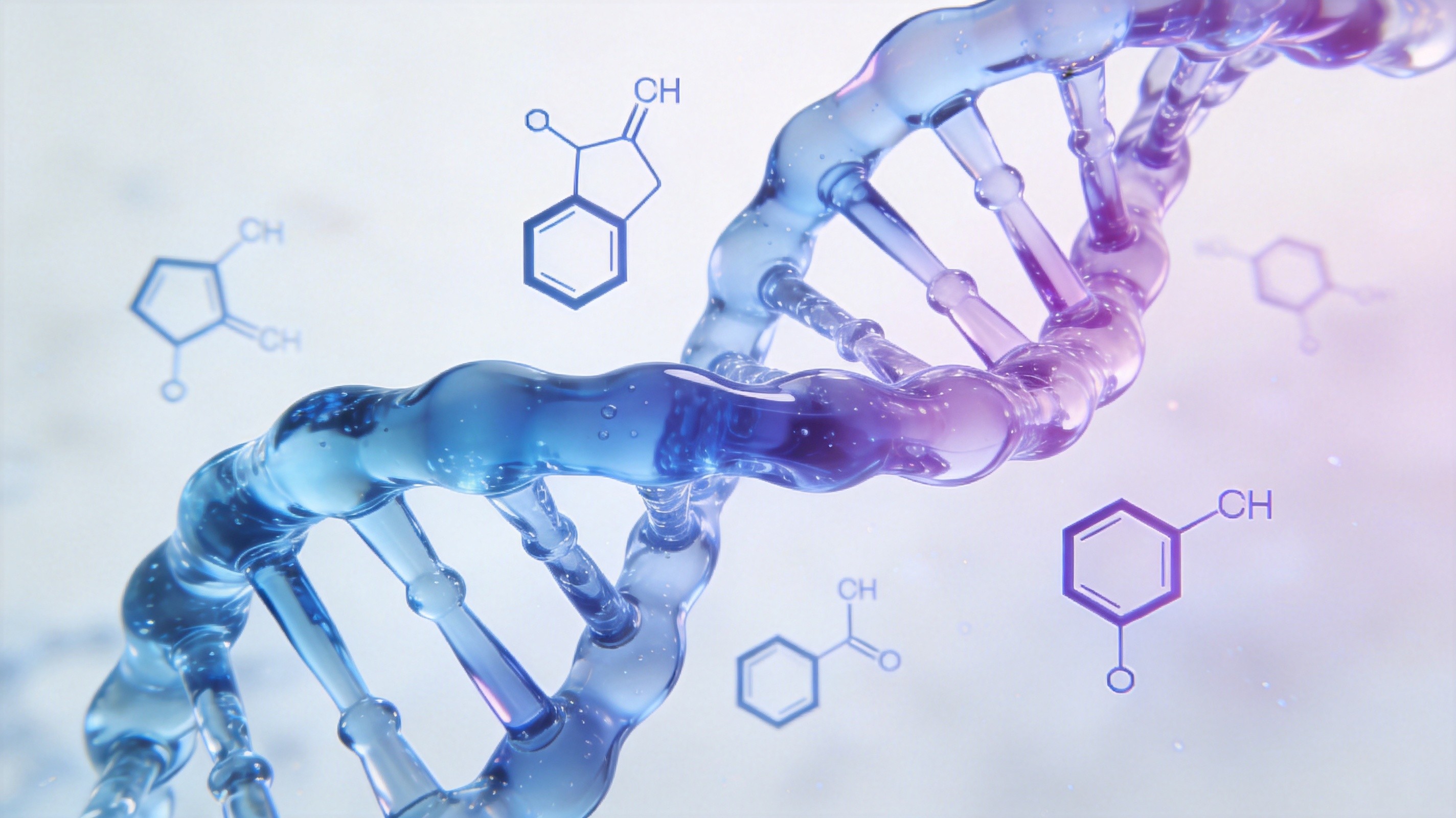
- Peptides (oligopeptides): small-molecule fragments composed of amino acids; different peptides serve different skincare approaches, are generally relatively mild, and are commonly used as the mainstay of anti-wrinkle and firming lines;
- Pro-xylane (hydroxypropyl tetrahydropyrantriol): a popular ingredient in the anti-aging field in recent years, oriented toward maintaining support and a firming skin feel;
- Retinol, niacinamide, hyaluronic acid: respectively correspond to different needs such as skin texture refinement, skin tone uniformity, and moisturizing and plumping;
- Recombinant collagen, ectoin, ergothioneine: under the premise of compliance, often used in compound formulas for repair, antioxidant, anti-wrinkle, and other purposes.
It should be emphasized that ingredient names are only the starting point; raw material grade, active addition, formula stability, and actual process determine the product experience. Take freeze-dried powder as an example: it uses low-temperature freeze-drying to preserve active ingredients in an anhydrous state and reconstitutes them at use, which can reduce oxidative inactivation of actives in liquid; but even if it is also called "peptide freeze-dried powder," whether the freeze-drying procedure and activity retention are done well makes a huge difference. This precisely tests a factory's real process accumulation, not marketing rhetoric.
III. Brand Factory Selection Is Shifting from "Price Comparison" to "Compliance Capability Comparison"
In the Re2O controversy, one of consumers' strongest dissatisfactions was "not being informed" and "being unable to verify." Transferring this psychology to the cosmetics industry, the conclusion is direct: brands that survive in the future will all treat "verifiability" as the bottom line.
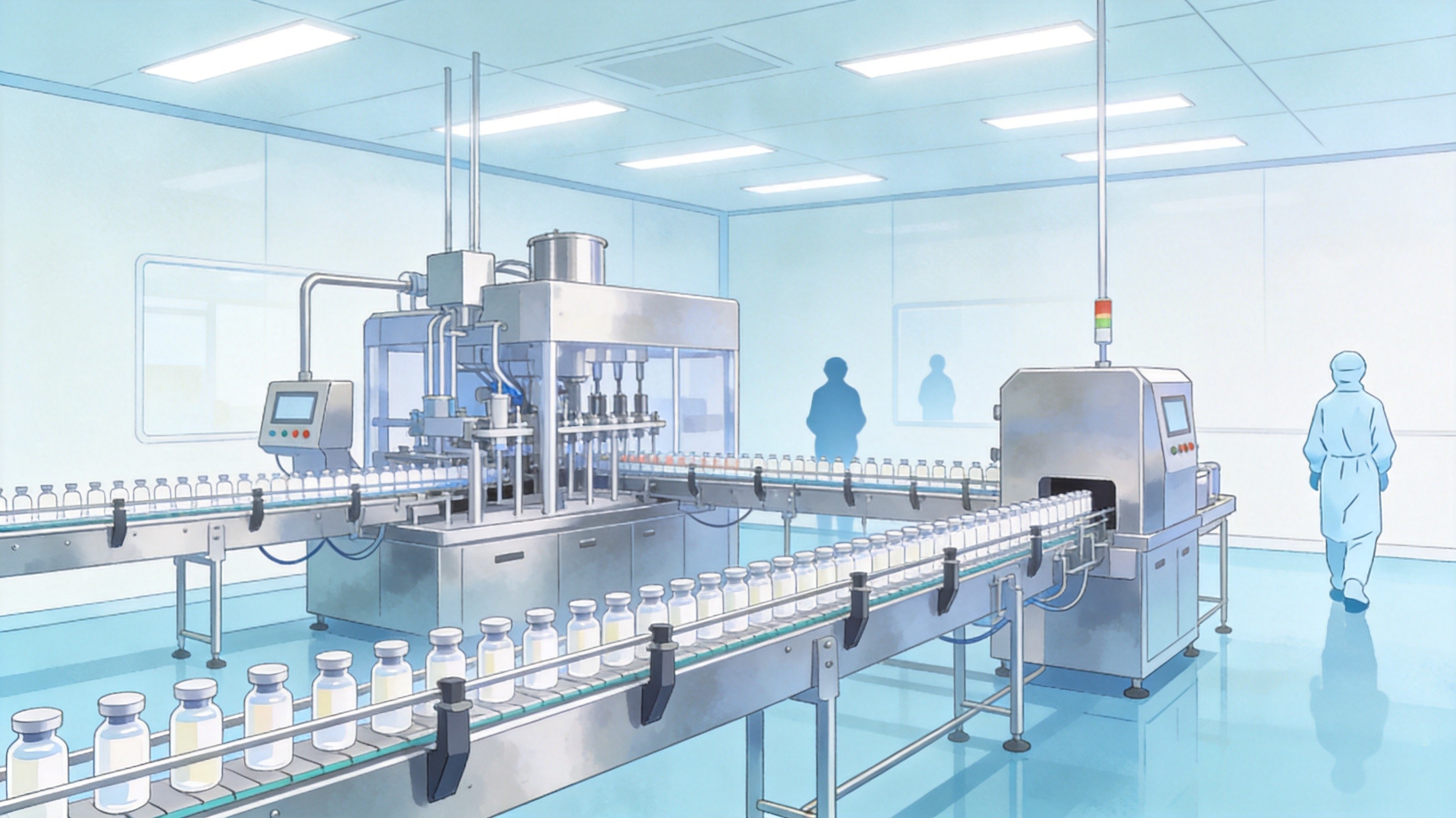
For brand owners, beauty salon lines, and e-commerce teams planning to build anti-aging lines, when choosing a cosmetics OEM/ODM partner, it is recommended to focus on four things:
- Whether qualifications and systems are complete: whether they hold a legal cosmetics production license, and whether workshop cleanliness and quality management systems (such as ISO22716, GMPC) are in place; factories with a medical device registration background often have advantages in cleanliness and quality control, but cosmetic registration and medical device registration must be clearly distinguished and cannot be claimed across lines.
- Whether the formula is mature and can be successfully filed: anti-aging is popular, but mature, stable formulas that can pass ordinary cosmetics filing are far more valuable than conceptual formulas that "sound fierce"; for special efficacy such as whitening, whether the factory has experience with National Cosmetics Special Approval (special cosmetics registration) products is a hard threshold.
- Whether raw materials are compliant and traceable: whether only compliant raw materials listed in the "Inventory of Used Cosmetic Raw Materials" are used, whether raw material source and testing documents can be provided, and whether prohibited ingredients and false addition are explicitly rejected.
- Whether documents and delivery are complete: whether filing certificates, test reports, execution standards, and other documents can be provided with the goods, whether batch quality is stable, and whether minimum order quantity and delivery time match the brand's rhythm.
IV. Salon Lines and E-Commerce: Compliance Strategies for Two Anti-Aging Product Lines
Anti-aging demand is undertaken differently in different channels, and mature factories usually provide differentiated mature formulas for selection:
- Exclusive for beauty salon lines: more concentrated active systems and more professional dosage forms, such as high-activity peptide freeze-dried powder/freeze-dried floss kits, infusion-type care, anti-wrinkle mask sets, etc., emphasizing the ritual of care and professional service, but the products themselves are still compliant cosmetics and do not touch "injection," "shot," or "medical" expressions;
- E-commerce and livestreaming channels: place more emphasis on skin feel, visualization of selling points, and price-band stratification, commonly using single items such as pro-xylane creams, peptide serums, anti-wrinkle masks, and eye creams in combinations, establishing trust with clear ingredient explanations and verifiable filing information;
- Brand full product lineup: a complete anti-aging care set from cleanser, toner, serum, lotion, cream to masks, eye care, and sunscreen, suitable for clients needing one-stop ODM solutions.
Domestic efficacy skincare contract manufacturers of a certain scale usually simultaneously provide three cooperation methods: limited brand stock, OEM processing and labeling, and ODM customization. Brands can flexibly choose according to their own stage—first use mature formulas to quickly start, then gradually do differentiated customization.
Conclusion
Anti-aging is one of the few skincare needs that can transcend cycles. The more this is the case for such a track, the less it needs to create anxiety through sensational raw material narratives. As consumers are educated to be more cautious by repeated controversies, products with clear ingredients, searchable filings, and reliable factories will instead gain longer-term trust.
This is true for brands, and even more so for contract manufacturers built on R&D and production.
(The information in this article involving the South Korean Re2O product is synthesized from public reports by China Newsweek, National Business Daily, Yangcheng Evening News, etc.; the ingredients and regulations section is industry science popularization and does not constitute medical advice. Specific products are subject to their filing/registration information. This article is industry observation content and does not recommend or sell any injectable medical products. Cosmetic efficacy claims are subject to regulatory filing/registration information.)
Frequently Asked Questions FAQ
Q1: Can topical anti-aging products replace medical aesthetics procedures?
No. The two act in different ways. Daily skincare is responsible for long-term maintenance, while medical aesthetics must be performed in regular medical institutions. Cosmetics must not claim medical efficacy such as injection filling.
Q2: Which ingredients are relatively common in anti-aging formulas?
Peptides, pro-xylane, retinol, niacinamide, hyaluronic acid, recombinant collagen, etc. are all relatively common. The key also depends on raw material grade, addition, and formula process.
Q3: Is freeze-dried powder better the more peptides it contains?
No. The type, activity, and freeze-drying retention process of peptides are more important. Conceptual stacking is of limited significance. It is recommended to choose factory products with mature formulas and processes.
Q4: What qualifications are needed to make whitening + anti-aging products?
Whitening is a special cosmetic efficacy and must obtain a special cosmetics registration certificate (National Cosmetics Special Approval). Ordinary filed products cannot claim whitening and spot fading.
Q5: For a novice brand doing an anti-aging line, should it start with stock or customization?
You can first use the factory's mature formula stock or labeling to quickly start and test the market, and after running it through, then do ODM differentiated customization. The risk is more controllable.