

Many people have experienced this: after staying up late, you look in the mirror the next day and your whole face seems covered in a layer of dust—yellow, lacking radiance, and pores look noticeably larger. Catching up on sleep can help a little, but if you sleep poorly for several days in a row, that "tired dullness" stays on your face and won't go away.
Where does dullness actually come from? Why do some skincare products make your skin "glow" right after application, only for it to turn dull again quickly? This article starts with the key concept of "oxidation" and discusses ingredient approaches that can truly help.
1. Why Does Your Face Look "Worse" After Staying Up Late?
Skin dullness isn't simply about "not sleeping enough." Several factors are at work simultaneously:
- Increased oxidative stress: Staying up late, UV exposure, air pollution, and stress all cause the body to produce more free radicals. Free radicals attack lipids and proteins in the skin, which shows on the face as yellowing, dullness, and a lack of translucency;
- Slowed metabolism: Lack of sleep affects the skin's nighttime repair rhythm. Dead skin cells aren't renewed in time, and their accumulation on the surface makes the complexion look gray and murky;
- Poor microcirculation: After staying up late, blood circulation slows down, making the face prone to paleness or yellowing, losing that "healthy glow from within";
- Moisture loss: Staying up late often comes with water loss. When skin is dry, light refraction worsens, making it naturally look shriveled and lackluster.
So to improve the post-late-night face, just "hydrating" isn't enough. The core approach should be antioxidant + repair + moisturizing—all three together.
2. Key Antioxidant Ingredients to Know
1. Astaxanthin: A Star in the Antioxidant Field
Astaxanthin is a carotenoid that first drew attention because it gives salmon, shrimp, and crab their orange-red color. Its antioxidant capacity has shown outstanding results in many in vitro and raw material studies, making it a popular ingredient in antioxidant skincare in recent years. For the yellowing and dullness after staying up late, products containing astaxanthin mainly take the approach of "helping fight oxidative stress and assisting in brightening the complexion." Shitaqi's Soothing Purifying Mask uses astaxanthin as its core, combined with a peptide approach, as an antioxidant soothing mask—suitable for "emergency" use after staying up late when your condition is low.
It's worth noting that antioxidant care, brightening the complexion, and "whitening and spot-fading" are not the same thing. The former is an ordinary skincare goal of helping skin fight oxidation and improve dullness and yellowing, while the latter falls under special cosmetic efficacy and requires corresponding special certification support. Don't let marketing language blur the two together.
2. PDRN (Sodium DNA): Helping Skin Return to Stability
After staying up late, the skin is actually in a mild state of "disturbance." At this point, piling on strong antioxidant ingredients alone may not feel comfortable. PDRN combined with panthenol (B5) leans more toward soothing first and helping skin return to a stable rhythm. Shitaqi's Salmon DNA Sodium Repair Mask follows this soothing approach and can be used alternately with antioxidant masks—when your condition is poor and there's redness, stabilize first; when your complexion is dull, then apply antioxidants.
3. Peptides + Moisturizing Base: Don't Let Antioxidants Fight Alone
No matter how strong the antioxidant ingredients are, if the skin itself is dry and the barrier is unstable, the results will be compromised. Peptide ingredients are gentle and suitable for long-term conditioning. Combined with moisturizing ingredients like hyaluronic acid to replenish water, skin becomes plump and naturally radiant.
3. Skincare Self-Rescue Rhythm for Night Owls
Rather than panicking after staying up late, it's better to divide care into daily and emergency phases:
Daily (Focus on Prevention) - Use antioxidant serums or antioxidant masks regularly—don't wait until your face turns yellow to remember; - Apply sunscreen properly during the day regardless of weather—UV is one of the biggest sources of free radicals. Without sunscreen, antioxidant efforts are half wasted; - Keep up basic moisturizing to maintain skin hydration and stability.
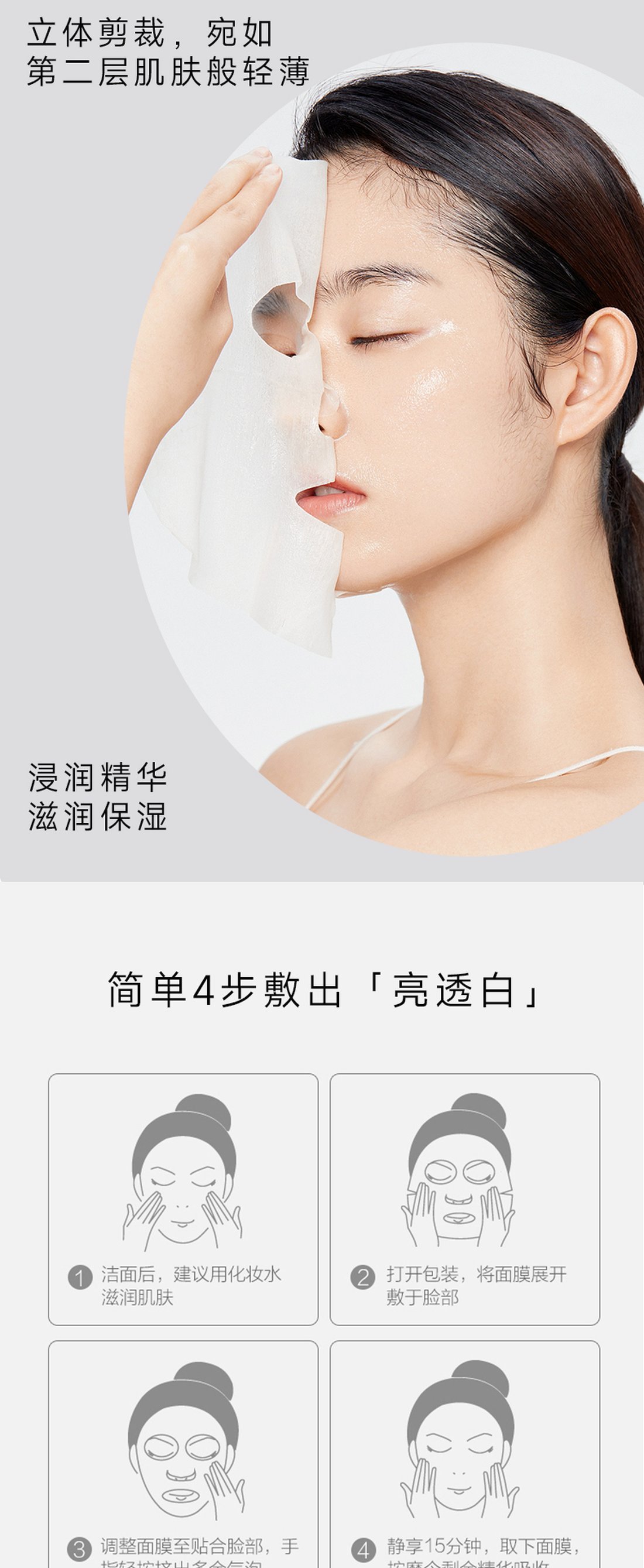
Post-Late-Night Emergency (Focus on Recovery) 1. Cleanse gently—don't use scrubs or acids to further torment already exhausted skin; 2. First apply a soothing Salmon DNA Sodium Repair Mask to stabilize your condition; 3. When dullness is obvious, switch to or alternate with the Soothing Purifying (Astaxanthin) Mask to assist with antioxidant care and brighten the complexion; 4. After applying, use a moisturizing cream to lock in water—only when skin is hydrated can radiance return; 5. Catch up on sleep whenever possible—sleep is a repair that no skincare product can replace.
4. Common Questions
Q: Can using antioxidant products make me whiter immediately? No, and you shouldn't pursue "immediate whitening." Antioxidant care is a long-term process of fighting dullness and helping maintain a good complexion. The immediate "glow" comes more from角质 plumping after hydration. Wanting to fade spots or change skin tone itself falls under special efficacy categories and requires products with corresponding qualifications.
Q: Will astaxanthin stain my face yellow? In proper formulations, astaxanthin undergoes stabilization treatment and won't stain skin yellow with normal use. The product itself may have a light orange tint, which is the raw material's color and doesn't affect use.
Q: Can antioxidant products be used during the day? Are they photosensitive? Most antioxidant ingredients (such as astaxanthin and peptides) can be used during the day, and combined with sunscreen they can form an "antioxidant + sunscreen" combination. Specifics should still be based on product instructions.
Q: Can applying more masks make dullness disappear? No. Dullness is the result of multiple factors including oxidation, metabolism, and dehydration. Over-applying masks can actually damage the barrier. Regular antioxidant care + proper sunscreen + adequate sleep is inherently a highly cost-effective approach.
The essence of a post-late-night face is the skin's comprehensive response to free radicals, dehydration, and slowed metabolism. Rather than believing in a single "emergency miracle product," it's better to make antioxidant care, moisturizing, and sunscreen into daily habits, and then use the right soothing and antioxidant masks when your condition is poor—a good complexion has always been cultivated, not applied on.
This article is skincare science popularization. The products mentioned are ordinary cosmetics and do not involve medical efficacy. Actual use should be based on your own skin type.