

Among the questions I've received in the backend recently, six out of ten are the same sentence: "My skin used to be fine, so why does it now turn red, feel hot, and sting whenever I apply anything?"
If you feel the same way, don't rush to pile strong actives onto your face. It's not that your skin has become delicate; it's more likely a series of signals sent out after skin barrier damage. This article won't talk about mysticism today. Instead, it will explain step by step what the barrier actually is, why it gets damaged, and what ingredients to use.
1. The skin barrier is actually a "brick wall"
Imagine the outermost stratum corneum of the skin as a wall: corneocytes are the bricks, the lipids between the cells (ceramides, cholesterol, free fatty acids) are the cement filling the gaps, and there is also a thin sebum film on the surface, equivalent to waterproof paint brushed onto the wall.
When this wall is solid, external irritants and allergens cannot get in, and moisture inside the skin cannot escape, so the face naturally stays stable.
Once the "cement" is depleted by mistreatment and the gaps between the bricks loosen, problems arise—moisture evaporates faster, and cold wind, temperature differences, and fragrance and alcohol in skincare products are more likely to penetrate. Then the typical trio appears: redness, heat, and stinging. Some people also experience tightness, flaking, and small rashes.
2. How the barrier is ruined by your own doing
Many people's sensitivity is not innate; it is worn down little by little acquired over time. Check and see how many of these apply to you:
- Frequent exfoliation and long-term use of high-concentration acids and soap-based cleansers, washing the stratum corneum thinner and thinner;
- Chasing "fast results" and layering several strong actives at the same time, leaving the skin no buffer period;
- Over-cleansing, washing the face several times a day, and rubbing hard during makeup removal;
- Frequent sheet masks and frequent medical aesthetic procedures, without leaving time in between for the skin to repair;
- Irregular sleep and high stress, disrupting the skin's own repair rhythm.
To put it plainly, barrier damage is essentially the speed of destruction exceeding the speed of the skin's self-repair. At this stage, the first priority is not to continue attacking, but to stop and "reduce burden + repair."
3. During barrier repair, how to choose ingredients
The approach during the repair period is very clear: simplify the ingredients, keep them gentle, and help patch the "brick wall" back up. The following are directions relatively recognized by formulators.
1. Active peptides: the gentle main force of repair
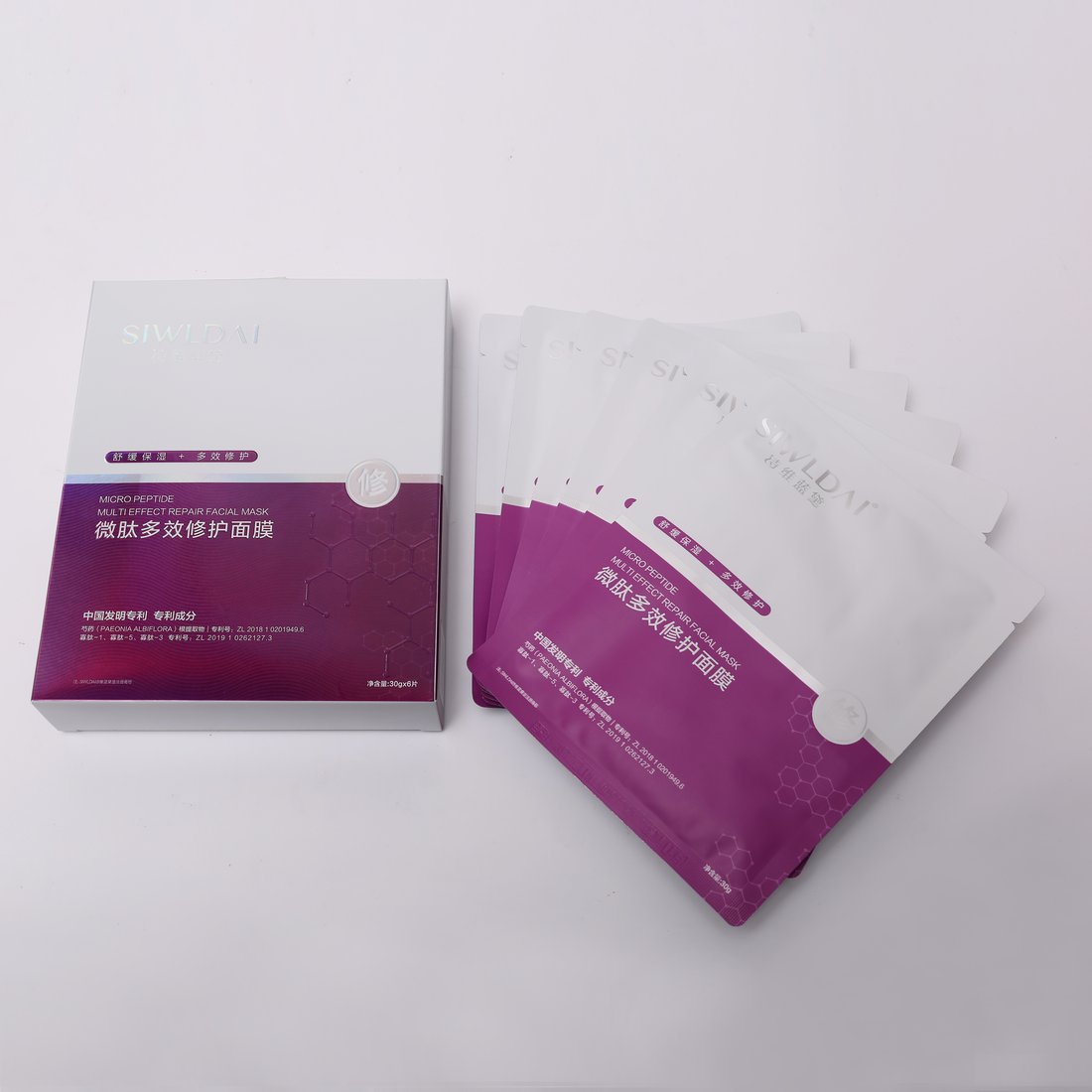
Peptides are small-molecule fragments composed of amino acids. They are characterized by a small molecular weight and relative gentleness, and are not likely to add extra burden to skin that is already throwing a tantrum. They are more like sending signals to the skin and helping coordinate the repair rhythm, rather than forcing things through strong stimulation, so they are very suitable for the stage where you "want to improve the condition but are afraid of irritation." The entire Shitaqi line is built around peptide combinations. For example, its Soothing Purifying Essence, New Skin Soothing Essence Lotion, and New Skin Soothing Ice Crystal all follow the peptide soothing route, and are refreshing and not heavy during redness periods.
2. PDRN (sodium DNA) + panthenol (B5): a combination of soothing + hydration
PDRN has been very popular in the skincare world in recent years. It is also called sodium DNA and was first widely known for being associated with the "salmon" source. It mainly helps the skin return to a stable state after external disturbances; panthenol, also known as vitamin B5, is a very classic moisturizing and soothing ingredient. That feeling of "being calmed down" after application owes much to B5. Shitaqi's Salmon Sodium DNA Repair Mask follows the idea of PDRN combined with panthenol. When the barrier is unstable and redness is prone to occur during seasonal changes, apply one sheet, focusing on the word "soothing" rather than pursuing immediate results.
3. Squalane and ceramides: patch the "cement" back in
If you hydrate without sealing it in, moisture will still escape. The role of squalane and skin-friendly lipids is to help reduce moisture loss on the surface and mimic the sebum film. Shitaqi's Radiance Moisturizing Cream uses squalane for occlusive moisture locking. It is suitable as the last step of skincare to hold in the essences applied earlier.
4. A skincare routine suitable for sensitive periods
Many people ask, "So how exactly should I arrange it?" Here is a simple order you can copy directly:
- Cleansing: switch to a mild amino acid cleanser, such as Shitaqi Soothing Gentle Cleanser, use warm water, pass over quickly, and do not rub;
- Base soothing: use Radiance Soothing Spray first to calm redness and heat;
- Essence repair: for obvious redness, use Soothing Purifying Essence; if you want to also maintain stability, choose New Skin Soothing Essence Lotion;
- Intensive care: two to three times a week, use the Salmon Sodium DNA Repair Mask, or when the condition is especially poor, use New Skin Soothing Ice Crystal for brief calming;
- Moisture-locking finish: apply a thin layer of Radiance Moisturizing Cream to seal in the nutrients applied earlier.
During the barrier repair period, remember three sentences: subtract steps, choose gentle ingredients, and let effects come slowly. Don't apply a repair mask while also being unable to resist using acids—that is like patching the wall while demolishing it at the same time.
5. A few questions everyone cares about most
Q: Is redness and stinging "detox," and will it be fine if I endure it? No. The skin has no such thing as detox. Stinging and persistent redness are signals of irritation or barrier damage. The correct approach is to stop using suspicious strong products and simplify skincare, rather than toughing it out.
Q: Can sensitive skin use functional ingredients? Yes, but wait until the skin is stable, then start testing from low concentration and low frequency, adding only one new ingredient at a time. When there is large-area redness and burning, honestly focus on repair first.
Q: Are sheet masks better the more frequently you use them? No. Over-hydration can actually make the stratum corneum more fragile. During the repair period, two to three times a week is enough, each time according to the instructions, and remember to lock in moisture with cream afterward.
Q: When should I see a doctor? If persistent redness and swelling, obvious itching, oozing, large-area breakouts, or repeated flare-ups occur, this is already beyond what daily skincare can solve. It is recommended to promptly visit the dermatology department of a regular hospital. Skincare products cannot replace treatment.
Barrier repair is slow work, usually measured in weeks and months. Rather than repeatedly tossing your skin around looking for a miracle product that gives "overnight rejuvenation," it is better to do these three small things steadily: cleansing, soothing, and moisture locking. Once this wall of skin is raised strong, redness and stinging will naturally fade away.
This article is skincare science popularization. The products mentioned are ordinary cosmetics. For actual use, please consider your own skin type, and if necessary, first do a small patch test behind the ear or on the jawline.