
In August 2026, the injectable type A botulinum toxin from South Korea's Huons BioPharma (trade name "Jiesuo Cheng Hutox", approval number Guoyaozhunzi SJ20260001), exclusively distributed by Aimeike Technology Development Co., Ltd., was officially launched for sale in China. According to Aimeike's 2026 semi-annual report, the product obtained the National Medical Products Administration drug registration certificate in January 2026 and was officially distributed in August. With this, Aimeike has completed its layout in the three core medical aesthetics categories: hyaluronic acid, regenerative materials, and botulinum toxin.
This is the 6th compliant type A botulinum toxin product approved in China. Previously, products such as domestic Hengli (Lanzhou Institute of Biological Products, approved in 1997), imported Botox (Allergan, USA), Dysport (Ipsen, UK), Letybo (Hugel, South Korea), and Xeomin (Merz, Germany) have been launched in China. The continuous increase in compliant brands means that the market penetration rate and consumption frequency of injectable medical aesthetics are still rising.
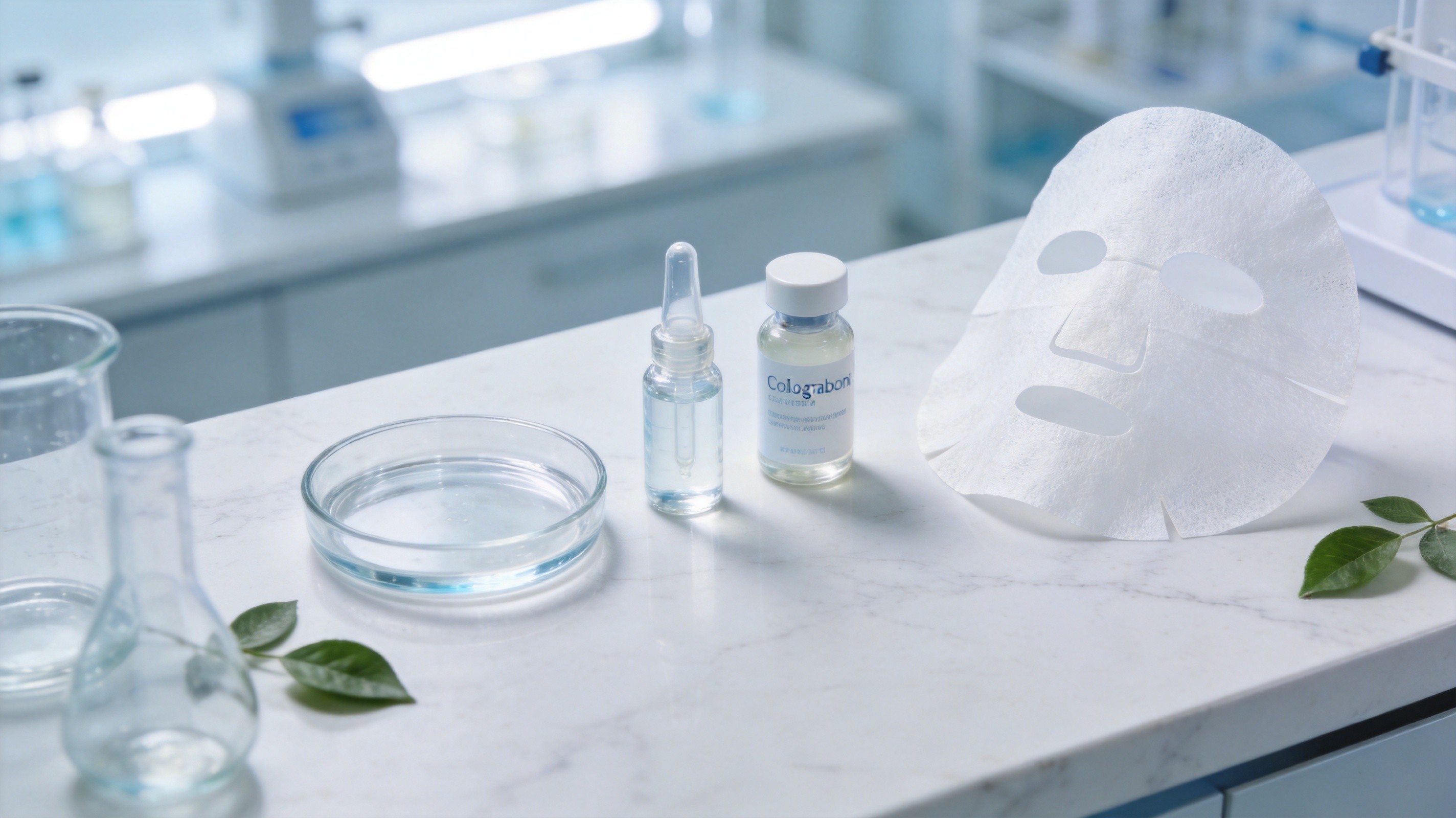
But injection is only the beginning. The two-week care window after botulinum toxin injection not only determines the final effect and satisfaction of consumers but also creates a highly certain market for post-procedure repair products. For OEM/ODM manufacturers, this track is worth positioning for in advance.
I. The Real State of Skin After Botulinum Toxin Treatment
The mechanism of botulinum toxin is to block the release of acetylcholine at the neuromuscular junction, temporarily relaxing the target muscles and thereby improving dynamic wrinkles such as forehead lines, glabellar lines, and crow's feet. The injection process usually takes only 10-15 minutes and is a minimally invasive procedure, but "minimally invasive" does not mean "non-invasive."
After injection, the needle leaves tiny puncture holes in the epidermis and dermis, temporarily disrupting the integrity of the skin barrier. According to the nursing guidance in the Chinese Dermatologist Association's "Expert Consensus on the Application of Botulinum Toxin Injection in Cosmetic Dermatology (2023 Edition)" and the Chinese Medical Association's "Expert Consensus on Upper Facial Rejuvenation Treatment (2026 Edition)," the skin goes through the following stages after the procedure:
Immediately to 4 hours: The solution is binding to the target muscles, which is the window with the highest risk of drug diffusion. During this stage, maintain an upright position, avoid lying flat, lowering the head, or bending over, and do not rub the injection site. Temporary redness and edema may occur at the injection points.
4-24 hours: The puncture holes begin to close, and swelling may peak. Some people develop ecchymosis (bruising) around the injection points, which is related to capillary damage caused by the needle and usually resolves spontaneously within 3-7 days. Cold compresses may be applied under a doctor's guidance, 15-30 minutes each time.
24-72 hours: Acute swelling subsides, and bruising may turn from purplish red to yellow-green (a normal process of hemosiderin metabolism). The skin may feel dry and tight, and barrier function has not yet fully recovered.
3-7 days: Botulinum toxin begins to take effect (initial effects usually appear in 3-7 days, peaking at 1-2 weeks). The skin enters the repair phase, and barrier function is gradually rebuilt but remains sensitive.
1-2 weeks: The effect stabilizes, the skin basically returns to normal, and a full skincare routine can be gradually resumed.
During these two weeks, consumers' core skincare needs are three: redness reduction and soothing, barrier repair, and strict sun protection. Any products containing fruit acids (AHA), salicylic acid (BHA), high-concentration retinol, alcohol, or fragrance should be suspended for at least 5-7 days.
II. Post-Procedure Repair Product Pairing Plan: Three Stages Corresponding to Different Categories
Stage 1: 0-48 hours post-procedure — Soothing and redness reduction period
Skin condition: Puncture holes not fully closed, possibly accompanied by redness, swelling, exudation, and burning sensation
Care principles: Cooling and soothing, maintaining cleanliness, preventing infection, not increasing skin burden
Recommended product types:
- Medical cold compress patches/dressings: Use immediately after injection under a doctor's guidance to lower local temperature, constrict blood vessels, and reduce swelling and pain. Class II medical device cold compress patches are usually produced in Class 100,000 cleanrooms and sterilized, suitable for use on skin around the wound.
- Sterile repair spray: Sterile sprays containing hyaluronic acid or panthenol (vitamin B5) can replenish moisture without touching the skin and relieve post-procedure tightness. Single-dose sterile packaging without preservatives is recommended.
- Recombinant collagen gel: Recombinant type III humanized collagen has a structure similar to the body's own collagen and high biocompatibility. It can form a protective film on the skin surface to help maintain a moist repair environment. The texture is light and non-sticky, suitable for immediate post-procedure use.
Contraindications at this stage: Do not use any products containing fragrance, alcohol, or colorants; do not wear makeup; do not touch the injection site with hands; do not use facial cleansing brushes or exfoliating products.
Stage 2: 3-7 days post-procedure — Barrier repair period
Skin condition: Puncture holes have closed, acute swelling has subsided, but barrier function is still fragile, possibly dry and flaky
Care principles: Continuous moisturizing, promoting epidermal repair, rebuilding lipid barrier, physical sun protection
Recommended product types:
- Collagen dressing patches: Collagen dressing patches containing recombinant collagen are the core product at this stage. It is recommended to use once every 1-2 days for 15-20 minutes each time. Collagen dressings not only provide moisturizing repair but the occlusive effect of the mask fabric also promotes penetration of active ingredients, helping the skin recover to a stable state faster. The Class II medical device production base of Hunan Weitai Biopharmaceutical Co., Ltd., under Weitai Group, has ISO13485 certification and can produce compliant recombinant collagen dressing patches.
- Barrier repair cream: Repair creams containing ceramides, squalane, hyaluronic acid, panthenol, and other ingredients help replenish skin lipids and strengthen the brick-wall structure. A moisturizing but not heavy cream formulation is recommended to avoid excessive occlusion leading to breakouts.
- Mineral sunscreen: Post-procedure skin has reduced tolerance to chemical UV filters (such as oxybenzone, octocrylene, etc.). Physical sunscreens with zinc oxide and/or titanium dioxide as the main active ingredients, SPF30 or above, are recommended. Physical UV filters form a reflective film on the skin surface and are not absorbed by the skin, causing less irritation to fragile skin.
Stage 3: 1-2 weeks post-procedure — Effect consolidation period
Skin condition: Botulinum toxin effects gradually appear, skin basically recovers, but gentle care is still needed
Care principles: Antioxidant maintenance, continuous sun protection, gradual return to normal skincare
Recommended product types:
- Gentle antioxidant serum: Gentle serums containing vitamin C derivatives (such as ascorbyl glucoside), vitamin E, ferulic acid, and other antioxidant ingredients help neutralize free radicals and protect collagen. It is recommended to introduce them after the skin has no sensitivity reactions, starting with low concentrations.
- Moisturizing repair mask: Cosmetic-grade moisturizing masks can be resumed. Products with a concise ingredient list (within 10 ingredients) and no fragrance or alcohol are recommended, avoiding masks containing strong irritating preservatives.
- Daily sun protection: Continue strict daily sun protection. UV radiation is the primary external factor causing collagen degradation and skin photoaging. Good sun protection not only protects overall skin health but also helps prolong the duration of botulinum toxin effects (usually 3-4 months).
III. Why Brands Should Layout Post-Procedure Repair Product Lines Now
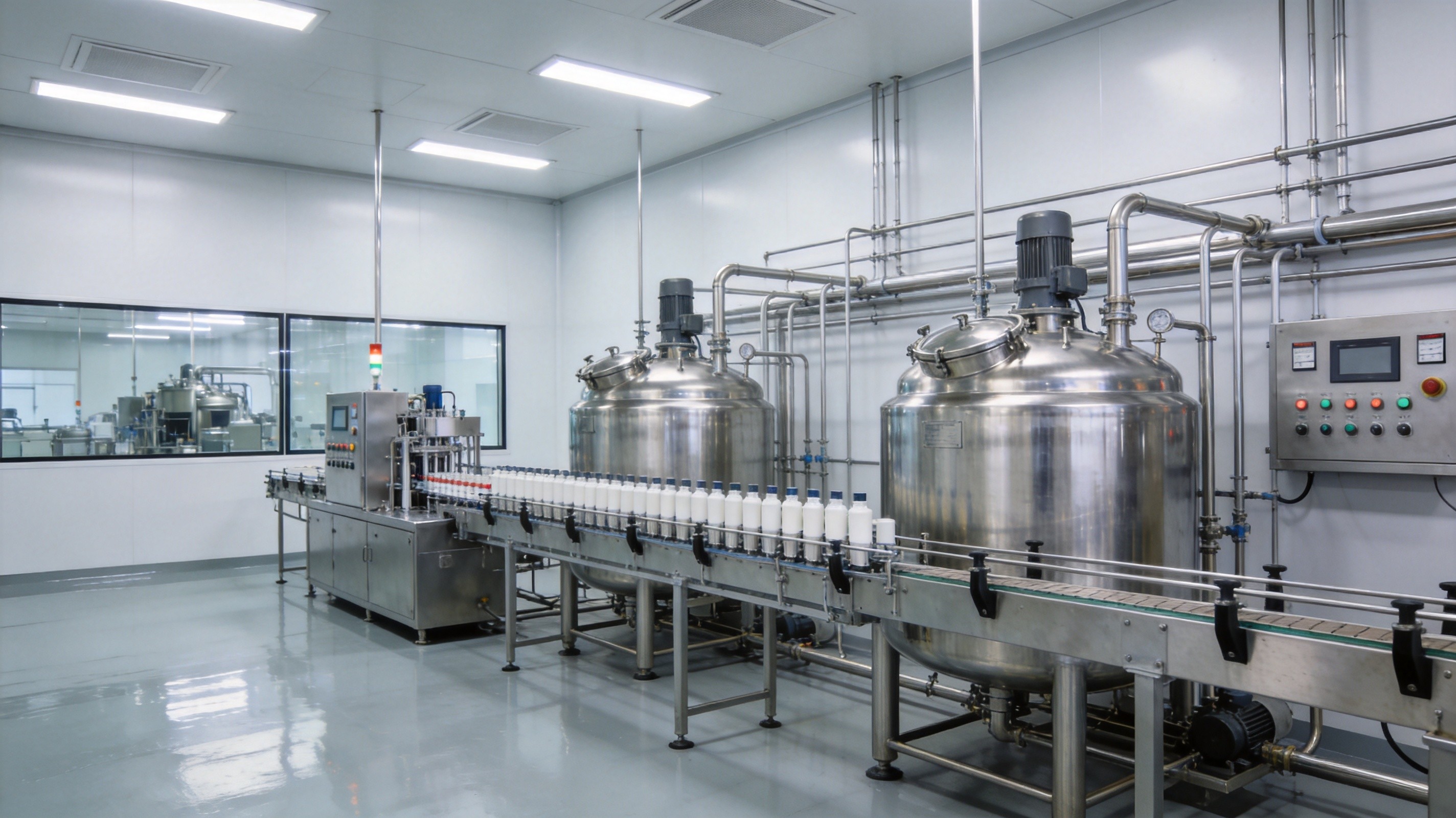
Three data signals demonstrate the certainty of this track:
First, compliant botulinum toxin brands are increasing, and the consumer base is expanding. From the approval of domestic Hengli in 1997 to the launch of Jiesuo Cheng in 2026, there are now 6 compliant type A botulinum toxin brands in China. Aimeike's 2026 semi-annual report shows first-half revenue of 1.216 billion yuan, a gross margin of 92.5%, and it holds 13 Class III medical device registration certificates, 5 Class II medical device registration certificates, and 2 drug registration certificates. The continuous increase in investment by leading companies in injectable categories indicates that end-user demand is still growing.
Second, post-procedure repair is a "standard consumption" for injection projects. Every consumer who receives botulinum toxin injection needs repair products within two weeks after the procedure. This is not "optional consumption" but a necessary part of doctors' nursing guidance. Based on injection person-times and average customer spending, the market size for post-procedure repair dressings and serums is considerable, and the repurchase rate is higher than that of ordinary skincare products.
Third, the "cosmetic + medical device" combination is a differentiation direction for brands. Single cosmetic-grade products have limited persuasiveness in post-procedure repair scenarios, and consumers trust brands with a medical device background more. However, medical device registration takes a long time (6-18 months) and requires large investment, making it difficult for startup brands to achieve in one step. By choosing an OEM factory with both cosmetic and medical device production capabilities, brands can quickly enter the market with cosmetic-grade products first while simultaneously advancing medical device registration, forming a "cosmetic-medical device synergistic" product matrix.
IV. Weitai Group's Cosmetic-Medical Device Synergistic OEM/ODM Contract Manufacturing Capabilities
Weitai Group is one of the few contract manufacturers in the industry with integrated production qualifications for cosmetic, medical device, and disinfection product licenses, providing brands with one-stop contract manufacturing solutions for post-procedure repair categories.
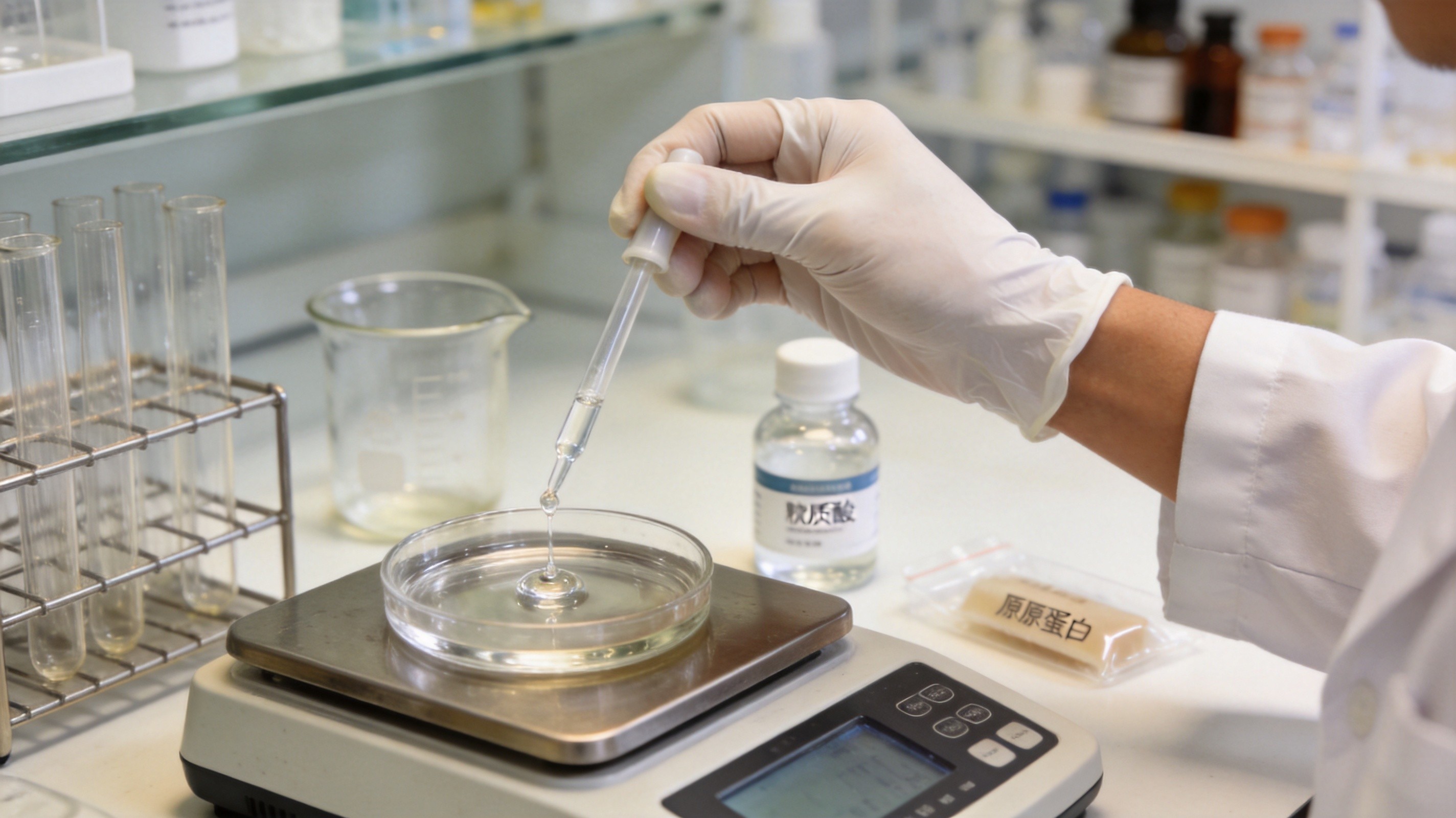
Cosmetic-grade production system (Guangdong Weitai Biotechnology Co., Ltd.)
Three cosmetic-grade production bases operate in coordination, with a total area of over 150,000 square meters, 65 production lines, and dual certification of ISO22716 and US GMPC. It covers various dosage forms including creams, lotions, masks, freeze-dried powders, and serums, equipped with 13 freeze-drying machines, with a daily production capacity of 1 million pairs of freeze-dried powder and 1 million masks. It has cooperated with over 800 brands, completed registration and launch of more than 100 products, and accumulated over 70 technical achievements.
In the post-procedure repair direction, Guangdong Weitai can provide:
- Formula development and production of recombinant collagen repair serums/creams
- OEM contract manufacturing of hyaluronic acid moisturizing masks/serums
- Panthenol and ceramide barrier repair series products
- Supporting products such as post-procedure gentle cleansers and mineral sunscreens
- Full-process contract manufacturing services from formula design, sample confirmation, stability testing to product registration and large-scale production
Medical device production system (Hunan Weitai Biopharmaceutical Co., Ltd.)
Hunan Weitai Biopharmaceutical Co., Ltd. focuses on Class II medical device production, has passed ISO13485 medical device quality management system certification, holds 100+ product registration certificates, and has Class 100,000 cleanrooms. It can produce medical dressings, cold compress patches, recombinant collagen dressings, and other post-procedure repair medical device products.
In the post-procedure repair direction, Hunan Weitai can provide:
- Contract manufacturing of recombinant collagen dressing patches (shared registration certificate, low minimum order quantity, short time to market)
- Custom development of medical cold compress patches/gels
- OEM contract manufacturing of hyaluronic acid dressings
- Full-process guidance for medical device product registration applications
Differentiated advantages of cosmetic-medical device synergy
By cooperating with Weitai, brands can enjoy one-stop contract manufacturing services with cosmetic-medical device synergy, completing simultaneous development of cosmetic-grade and medical device-grade products within the same group without separately contacting two factories. Cosmetic-grade products are responsible for daily moisturizing repair and channel volume, while medical device-grade products are responsible for immediate post-procedure scenarios and professional endorsement. The two product lines share the supply chain and quality control system, reducing communication costs and delivery risks.
From small-batch trial orders of 3,000 units to large-scale orders of 300,000 units, the flexible production system can switch smoothly. The R&D team continuously tracks medical aesthetics industry policy dynamics and raw material catalog adjustments, and has formula reserves in segmented directions such as post-botulinum toxin repair, post-skin booster repair, and post-photoelectric project repair. Brands can quickly start sampling and registration after determining the direction.
Post-procedure repair is not a passing fad but a long-term track growing along with the normalization of injectable medical aesthetics. The launch of Jiesuo Cheng is just a signal; more compliant botulinum toxin and injectable products will enter the market subsequently, and each new product launch means a new wave of demand for post-procedure repair products. Brands that choose the right OEM factory and prepare formulas now can ship at the first opportunity when the window opens.
FAQ
Q: How soon after botulinum toxin injection can skincare products be used?
A: Avoid contact with water and skincare products within 6 hours after injection. After 24 hours, gently cleanse with warm water and a mild non-foaming cleanser, then use a moisturizing product with a concise ingredient list. Products containing fruit acids, salicylic acid, retinol, or alcohol should be suspended for 5-7 days. Makeup is recommended after 24 hours, mainly light makeup. Please follow your doctor's advice for specific care.
Q: Should medical device dressings or cosmetic-grade masks be used after the procedure?
A: During the 0-48 hour post-procedure period when puncture holes are not closed, Class II medical device dressings (medical device grade) are recommended due to higher production environment and sterilization standards. After 3 days when puncture holes have closed, cosmetic-grade moisturizing masks with concise ingredients and no fragrance or alcohol can be used. Brands can layout both cosmetic-grade and medical device-grade lines.
Q: Why is recombinant collagen dressing suitable for post-procedure repair?
A: Recombinant type III humanized collagen has a structure similar to the body's own collagen, low immunogenicity, and good biocompatibility. It can form a protective film on the skin surface to lock in moisture, create a moist repair environment, and promote epidermal cell migration and proliferation. Compared with animal-derived collagen, it eliminates the risk of viral contamination and allergies.
Q: Can Weitai manufacture both cosmetic-grade and medical device-grade post-procedure repair products on a contract basis?
A: Yes. Guangdong Weitai is responsible for cosmetic-grade products (ISO22716 + GMPC dual certification, 3 bases, 65 production lines), and Hunan Weitai is responsible for Class II medical devices (ISO13485 certification, more than 110 Class II medical device registrations, Class 100,000 cleanrooms). Brands can complete cosmetic-medical device synergistic one-stop contract manufacturing within the same group, from formula development, sampling, registration to production and full-process contract manufacturing delivery.
If brands need to learn about contract manufacturing solutions for post-procedure repair categories, request samples, or schedule sampling, they can contact Weitai Group through official channels for consultation.